What Is Numismatics? A Beginner's Map of Coin Collecting Terms
Numismatics defined in plain English, plus a beginner glossary of coin collecting terms, the hobby's subfields, and links to deeper term guides.
What Is Numismatics? A Beginner's Map of Coin Collecting Terms
Numismatics is the study or collection of currency: coins, tokens, paper money, medals, and related objects. If you have started reading coin forums and keep seeing words like obverse, strike, or slab next to it, this guide is your map. It answers what the word means, introduces the terms you will meet first, and points you to deeper guides where each term deserves more room.
What is numismatics?
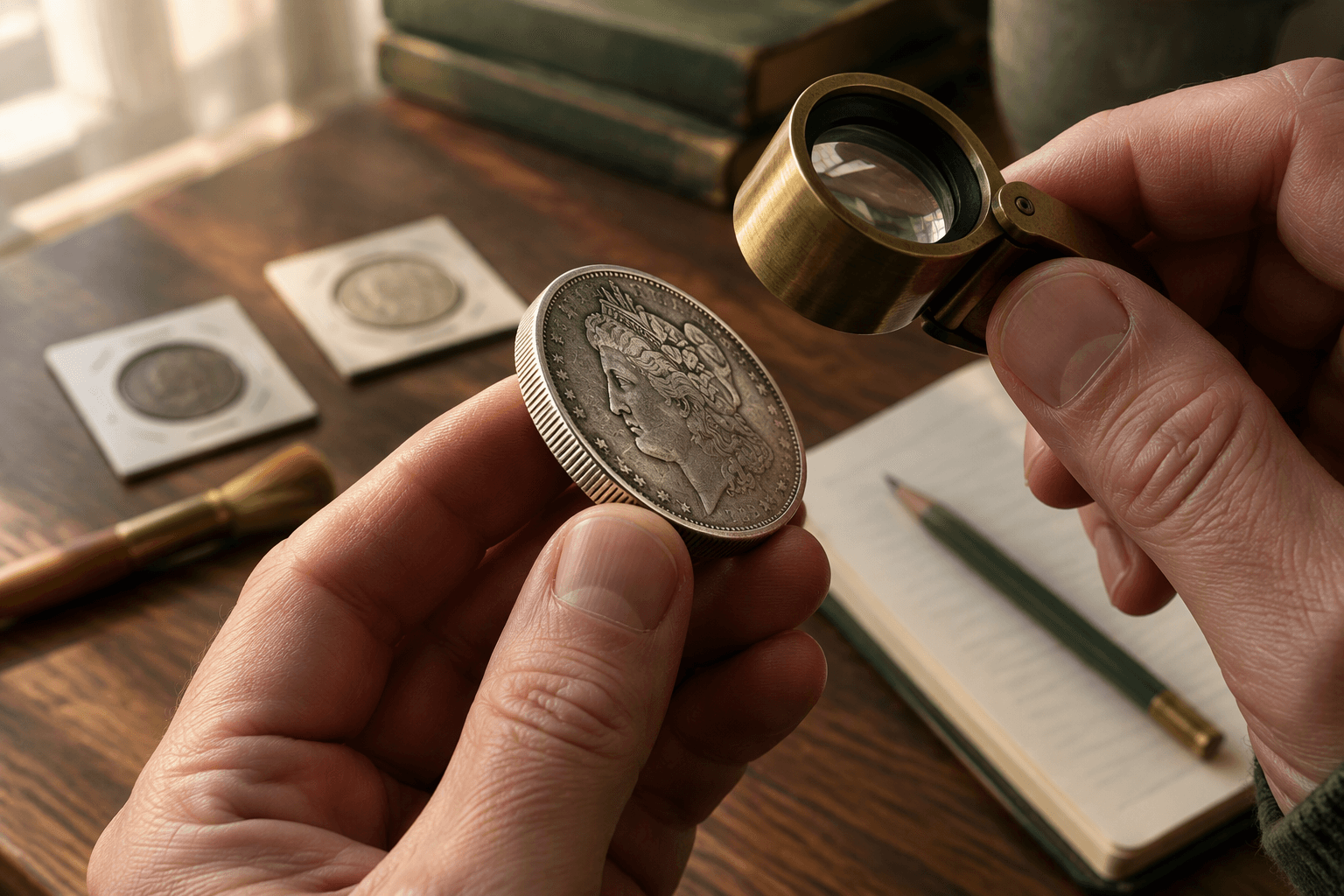
Numismatics is the study or collection of currency, including coins, tokens, paper money, medals, and related objects, according to Wikipedia. Merriam-Webster defines it as the study or collection of coins and tokens, and often of paper money as well.
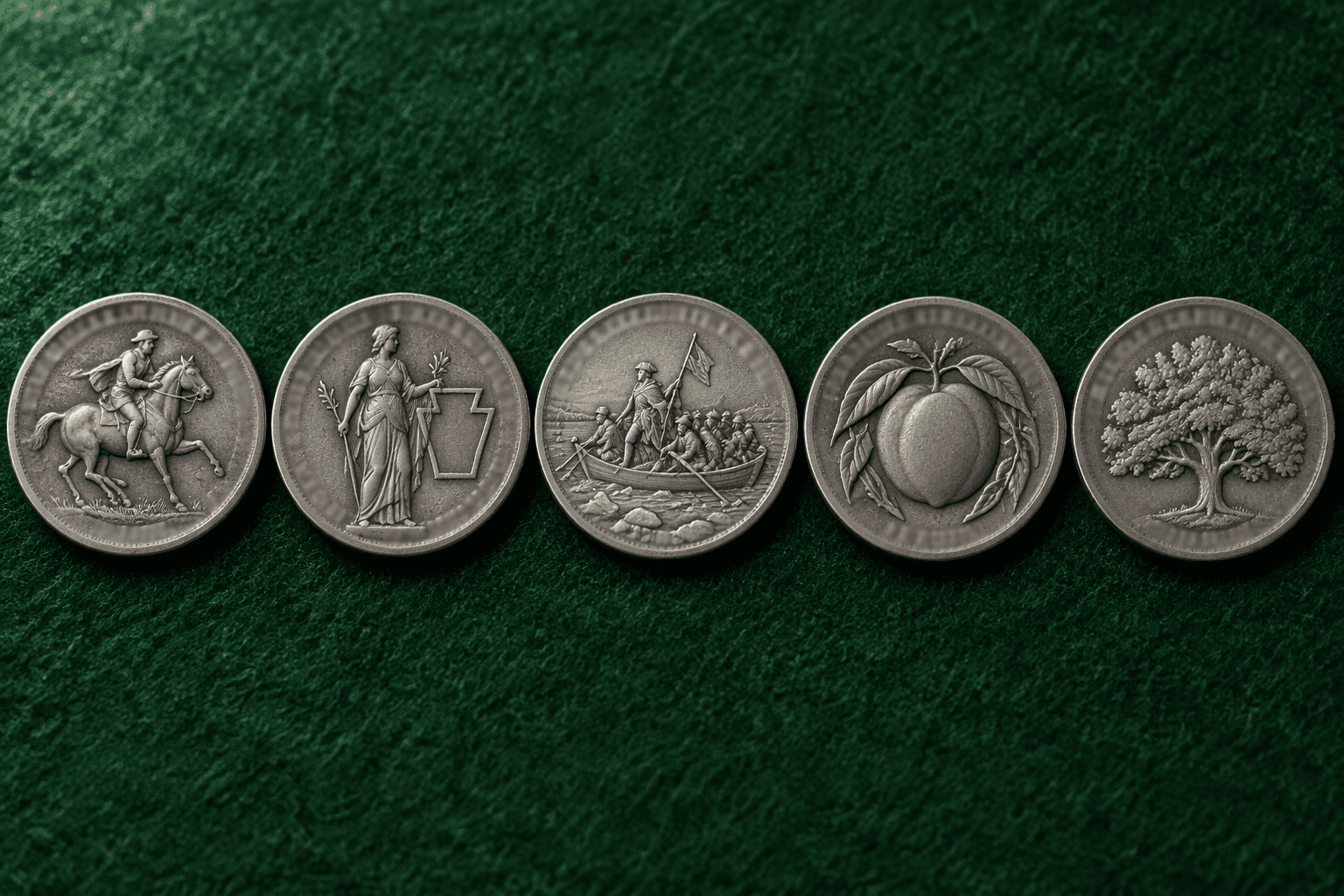
The word comes from the Greek nomisma, meaning current coin or custom, and entered English in 1829. In everyday use, numismatics covers both halves of the hobby: the study of how money was made and used, and the practice of collecting it. A person who studies die varieties and a person who fills an album with state quarters are both operating inside numismatics.
Numismatist vs coin collector
A numismatist is a person who studies or collects currency. In practice the word leans toward the research side: cataloging varieties, reading mint records, writing about monetary history. A coin collector is anyone who builds a collection.
The terms describe emphasis, not rank. The American Numismatic Association, the largest US numismatic organization, treats study and collecting as one shared activity, and regional bodies such as the Pacific Northwest Numismatic Association welcome beginners into both. If you keep notes on your coins, you are already doing a little numismatics.
Coin collecting terms you'll meet first
These are the coin collecting terms that appear in almost every listing, forum thread, and grade discussion. Each entry is a one-line definition; the linked guides go deeper.
| Term | What it means | Where to go deeper |
|---|---|---|
| Obverse | The front face of a coin, usually carrying the main portrait or design. | Coin identification guide |
| Reverse | The back face of a coin, opposite the obverse. | Coin identification guide |
| Edge | The third side of a coin: the surface between the two faces, which may be reeded, plain, or lettered. | US Mint coin term glossary |
| Rim | The raised border that frames each face of a coin. Do not confuse it with the edge. | US Mint coin term glossary |
| Mint mark | A small letter or symbol showing which mint facility struck the coin. | Coin identification guide |
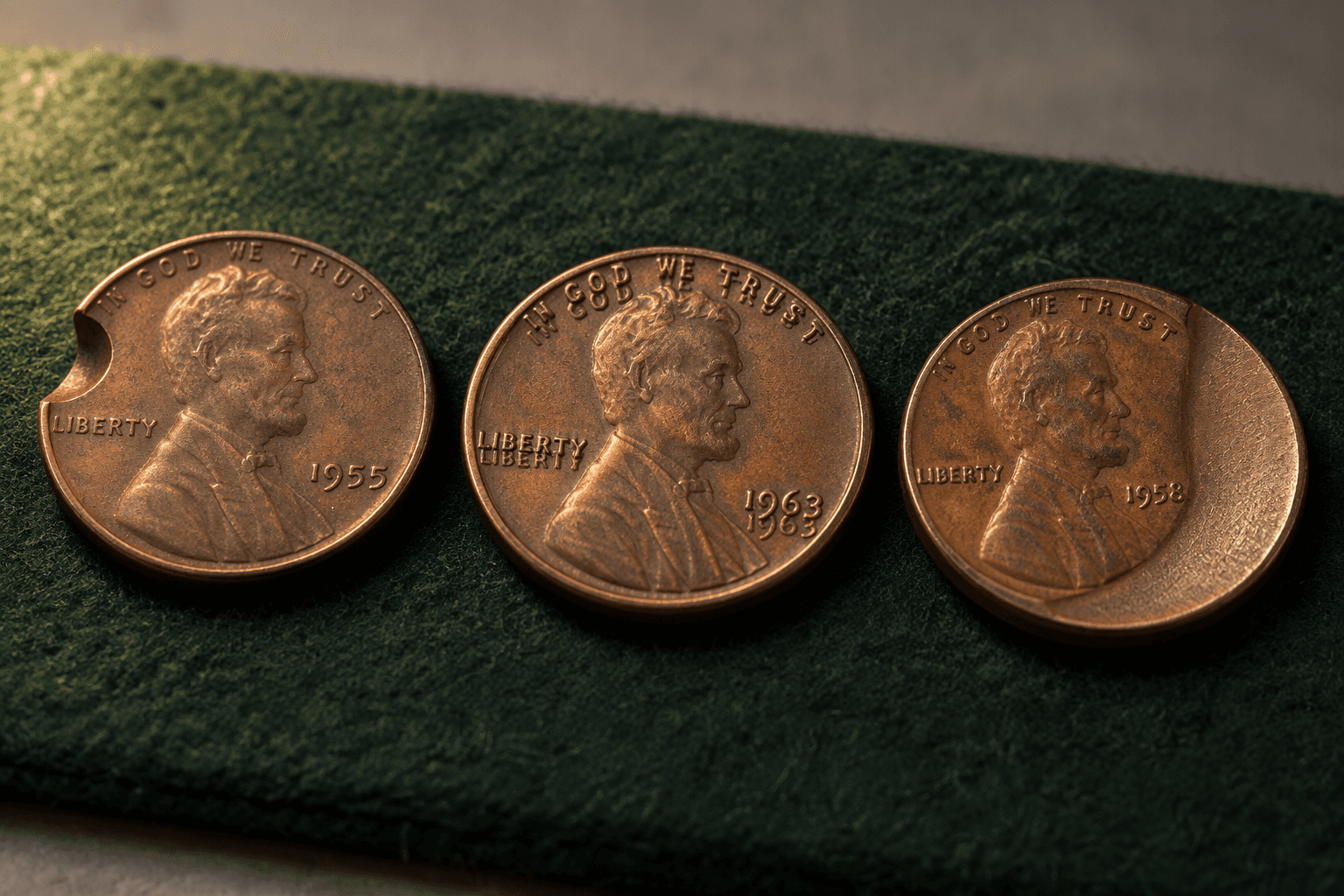
| Strike | How the design was pressed into the coin. A business strike is made for circulation; a proof strike is made for collectors. | US Mint coin term glossary |
| Proof | A coin made with polished dies and special handling for a mirror-like finish, sold to collectors rather than released into pockets. | Wikipedia glossary of numismatics |
| Mintage | The number of coins a mint produced of a given design and year. Low mintage often matters to collectors. | Wikipedia glossary of numismatics |
| Toning | Color change on a coin's surface caused by natural chemical reactions with its environment over time. | Wikipedia glossary of numismatics |
| Raw | A coin that has never been graded or sealed by a grading service. | Wikipedia glossary of numismatics |
| Slab | A sealed, tamper-evident plastic holder that a grading service uses to encase a graded coin. | Wikipedia glossary of numismatics |
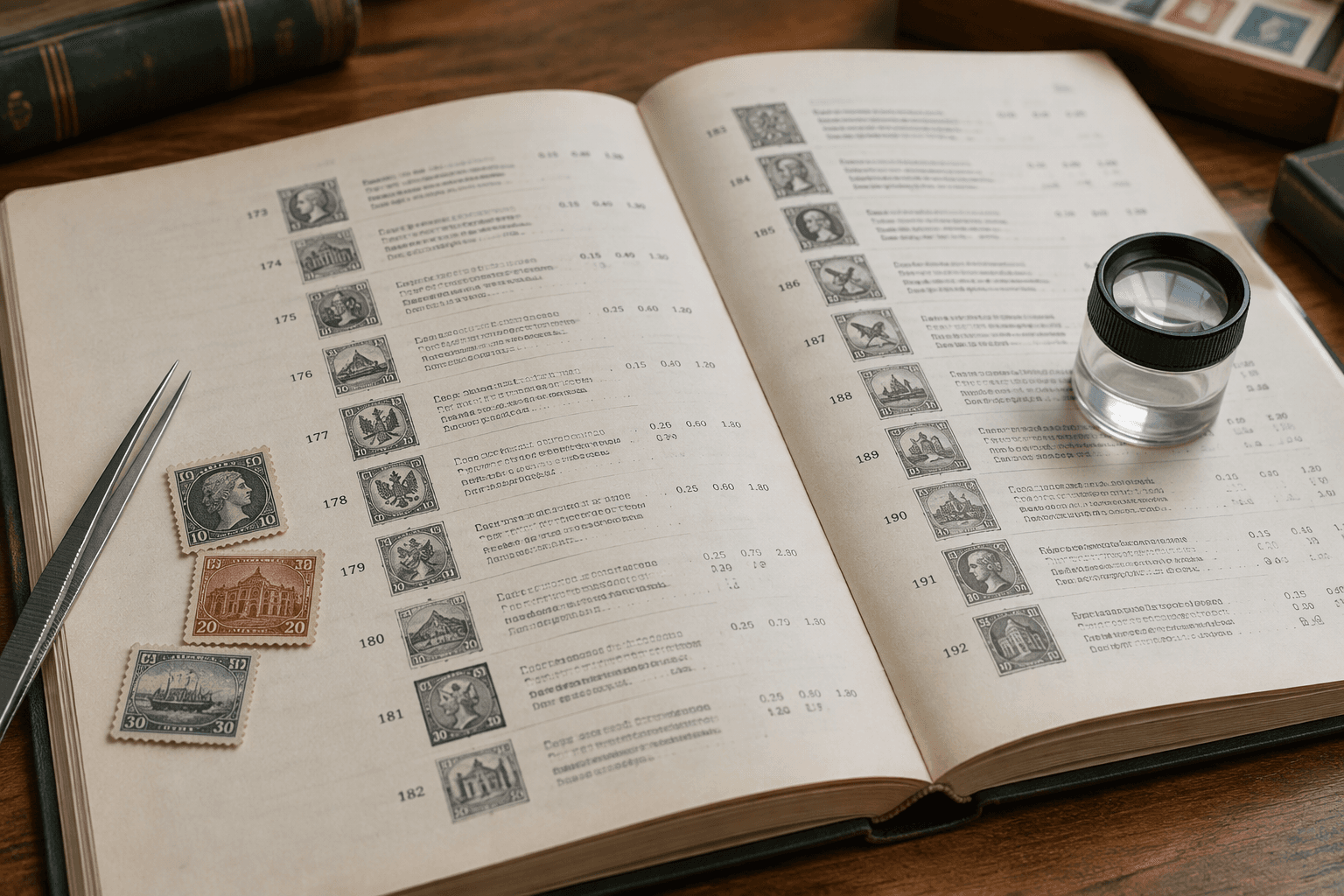
| Cachet | A printed or drawn decoration on a first-day cover envelope. This one crosses over from stamp collecting, where it is standard vocabulary. | PNNA introduction to numismatics |
| Exonumia | The study of coin-like objects that are not legal tender, such as tokens and medals. More on this below. | Wikipedia on numismatics |
If someone asks what are some common coin collecting terms, this table is the short answer: obverse, reverse, edge, rim, mint mark, strike, proof, mintage, toning, raw, and slab cover most first conversations.
What numismatic value means, and what it doesn't
Numismatic value is the value a coin has to collectors, above the raw worth of its metal. Market references such as Investopedia describe it as driven by rarity, condition, age and history, and striking errors. A worn common cent is worth its metal; a scarce variety in high condition can trade far above that.
Two boundaries matter. First, these factors describe how the market talks about value; they are not a promise that any specific coin is valuable. Second, Folidx does not appraise or grade. The product records reference price ranges with their sources, dates, and confidence notes as private, editable records, and the careful process is covered in the guide on how much your coins are worth. Professional appraisal and grading services remain separate services.
The subfields in one line each
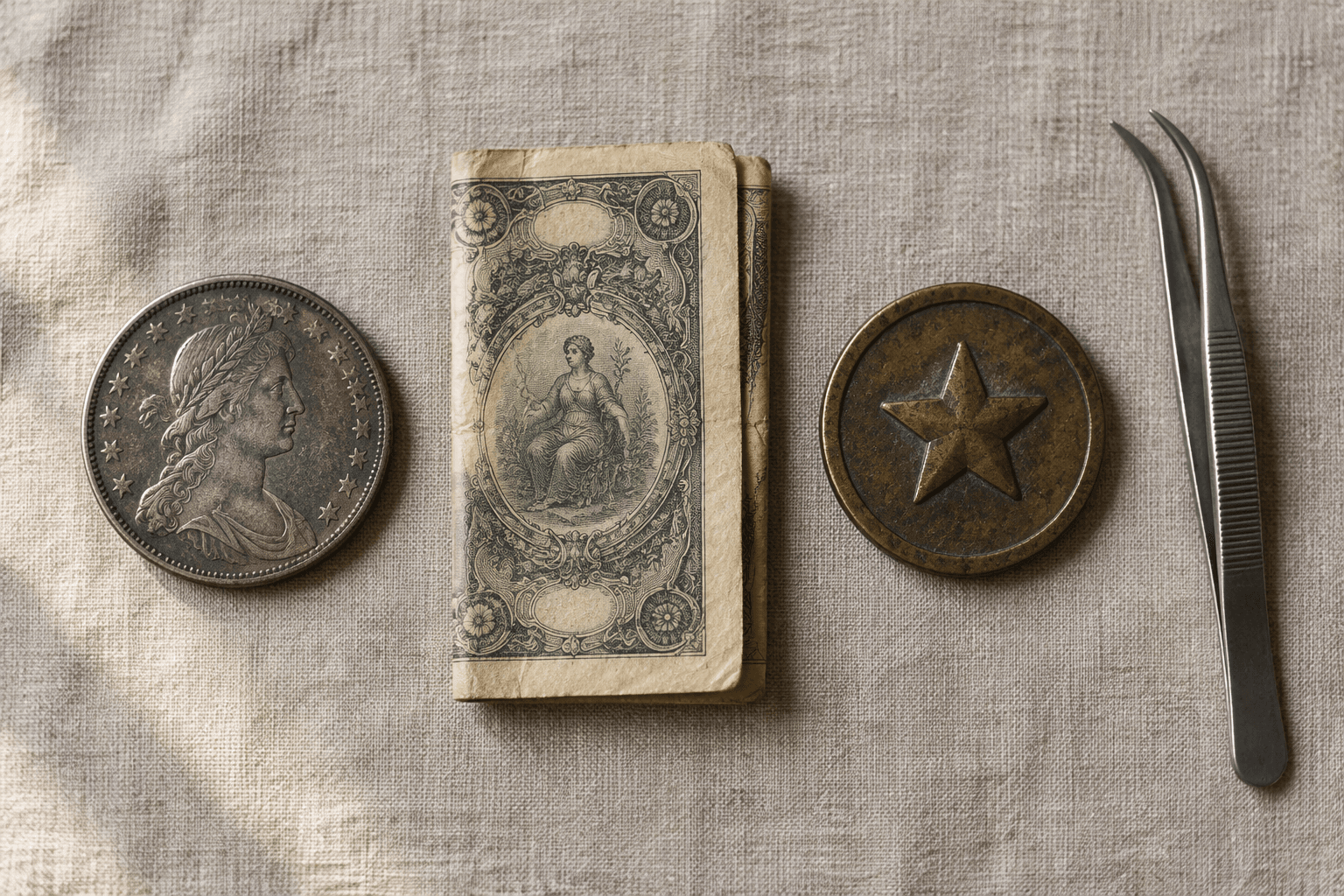
Numismatics is an umbrella with named branches, per Wikipedia:
| Subfield | Studies |
|---|---|
| Notaphily | Paper money and banknotes |
| Exonumia | Coin-like objects that are not legal tender: tokens, medals, elongated coins, badges |
| Scripophily | Old stock and bond certificates, collected for their engraving and financial history |
Folidx currently gives deep identification support to three categories: coins, TCG cards, and stamps. Notaphily and scripophily objects can still be recorded as general items with photos, notes, and reference ranges, but their specialized field templates come later. Setting this boundary plainly keeps expectations honest.
Turn the vocabulary into a habit
Vocabulary sticks when it attaches to objects you own. A practical loop:
- Pick one coin from your shelf and name its obverse, reverse, edge, rim, and any visible mint mark.
- Note the strike type if you can tell, and anything about toning or wear that you can actually see.
- Write those observations down in the same place every time, with the date.
The third step is where most collections stall, and it is the one Folidx automates: photograph a coin, get an editable draft report with fields that mirror this vocabulary, then file it into archive books and pages. The full system, including which fields to record, is covered in the guide on how to organize a coin collection.

The subfields map onto the same habit. Whatever you collect, the record follows the object: date it, describe what you can see, and note where the description came from.
Frequently asked questions
What are some common terms used in coin collecting?
The terms beginners meet first are obverse and reverse (the two faces), edge and rim (the third side and its raised border), mint mark (which facility struck the coin), strike and proof (how and for whom it was made), mintage (how many were made), toning (natural color change), and raw versus slab (graded or not). The glossary table above defines each in one line and links to deeper guides.
Is a coin collector the same as a numismatist?
A numismatist studies or collects currency; the word emphasizes the study side. Every serious collector does some numismatics, and every numismatist who owns coins is also a collector. There is no membership test between them.
Sources
- Numismatics, Wikipedia: definition, etymology, subfields (notaphily, exonumia, scripophily).
- Numismatics, Merriam-Webster: dictionary definition.
- Coin Term Glossary, US Mint: edge, rim, strike, and related mint vocabulary.
- Glossary of numismatics, Wikipedia: proof, mintage, toning, raw, slab.
- Numismatics, Investopedia: numismatic value factors (rarity, condition, history, errors).
- Introduction to numismatics, PNNA: hobby association framing, exonumia definition.
- Numismatics: Let's Call It Money, ANA: educational framing of study and collection.