Folidx Blog
Collecting guides for coins, cards, and stamps
Practical, long-form notes on organizing archives, tracking reference values, checking duplicates, and keeping every collectible findable.
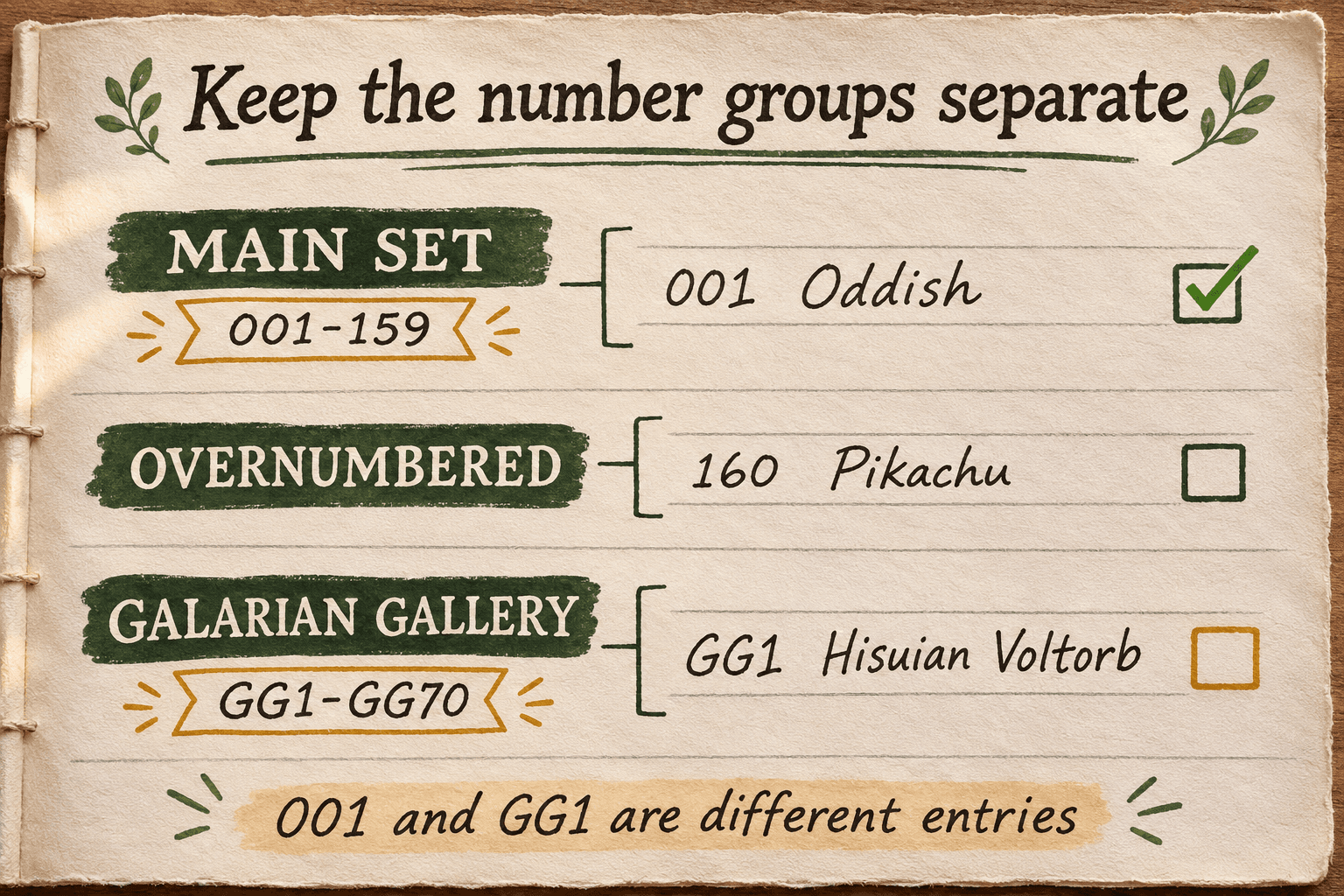
Crown Zenith Card List: Main Set, Galarian Gallery, and Missing Cards
Use the English Crown Zenith card list to check 001-159, Pikachu 160, and GG1-GG70, then track finishes, missing cards, and binder locations.
Read the guide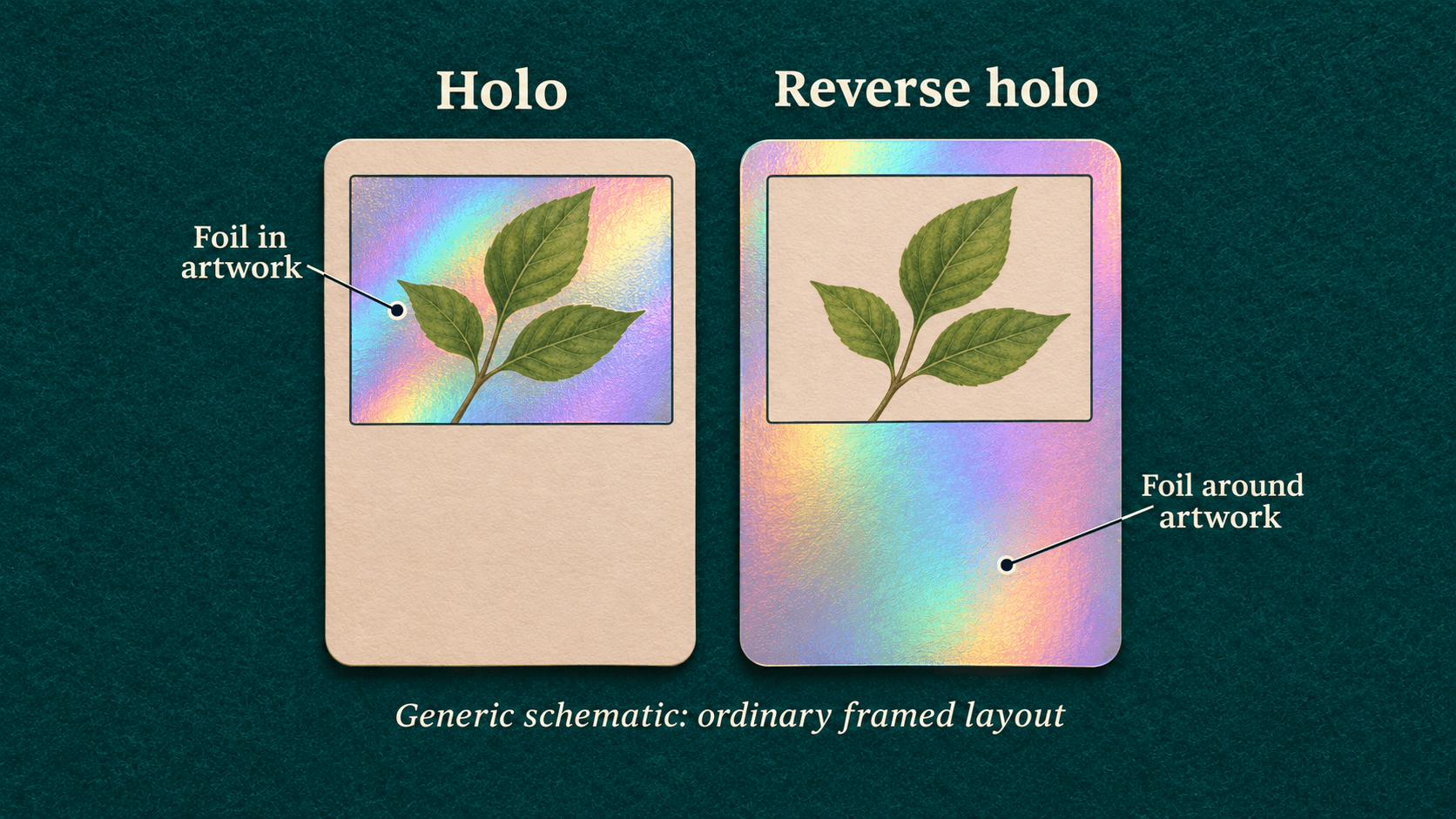
Reverse Holo vs Holo Pokémon Cards: Identify the Finish Before Filing
Compare holo and reverse-holo finishes with set-aware examples, careful photo checks, and an editable collection record.
Open article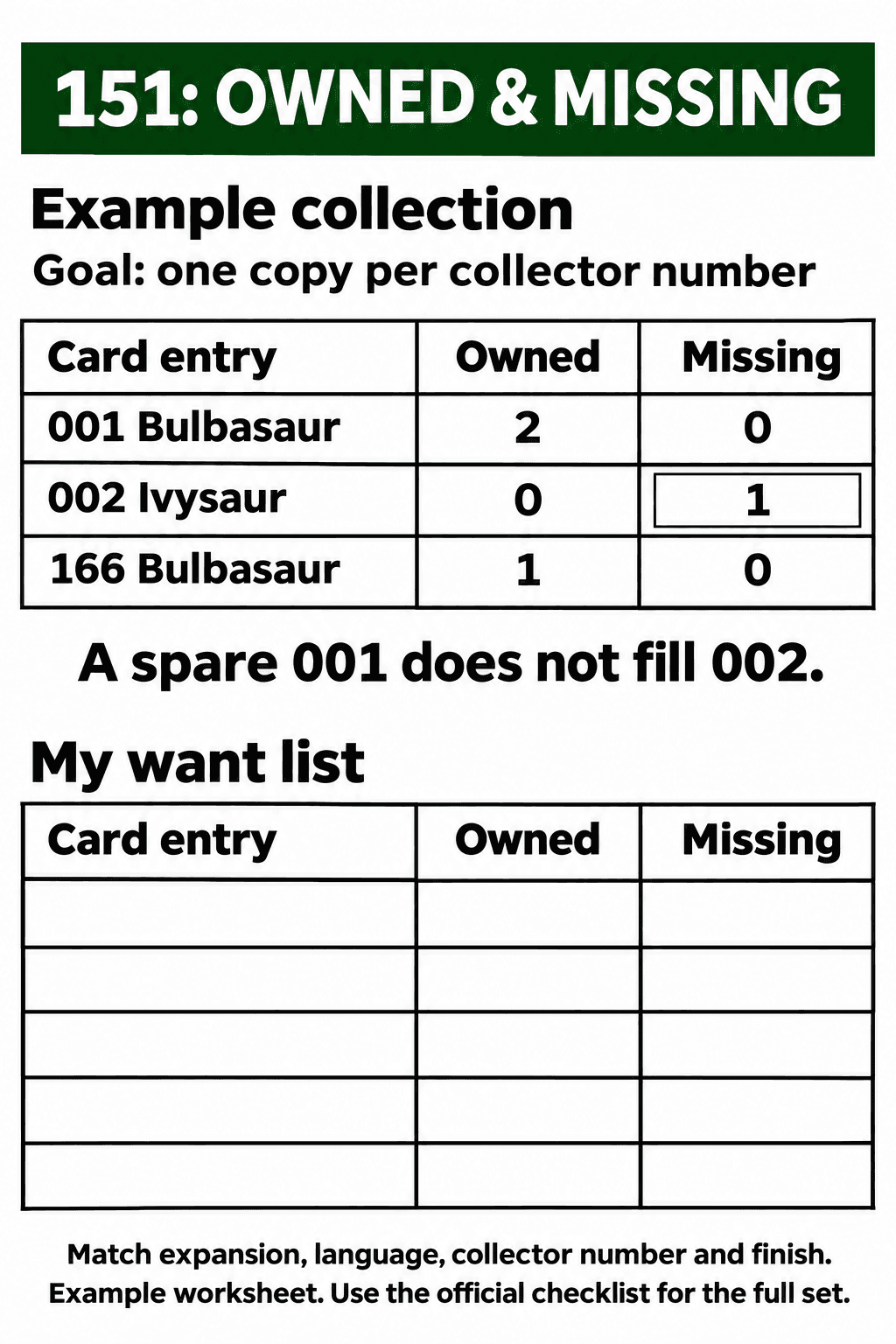
Pokémon Scarlet & Violet 151 Card Checklist: Track the Cards You’re Missing
Find the official English Pokémon Scarlet & Violet 151 card list, check collector numbers in order, and track owned cards, missing entries, and foil variants.
Open article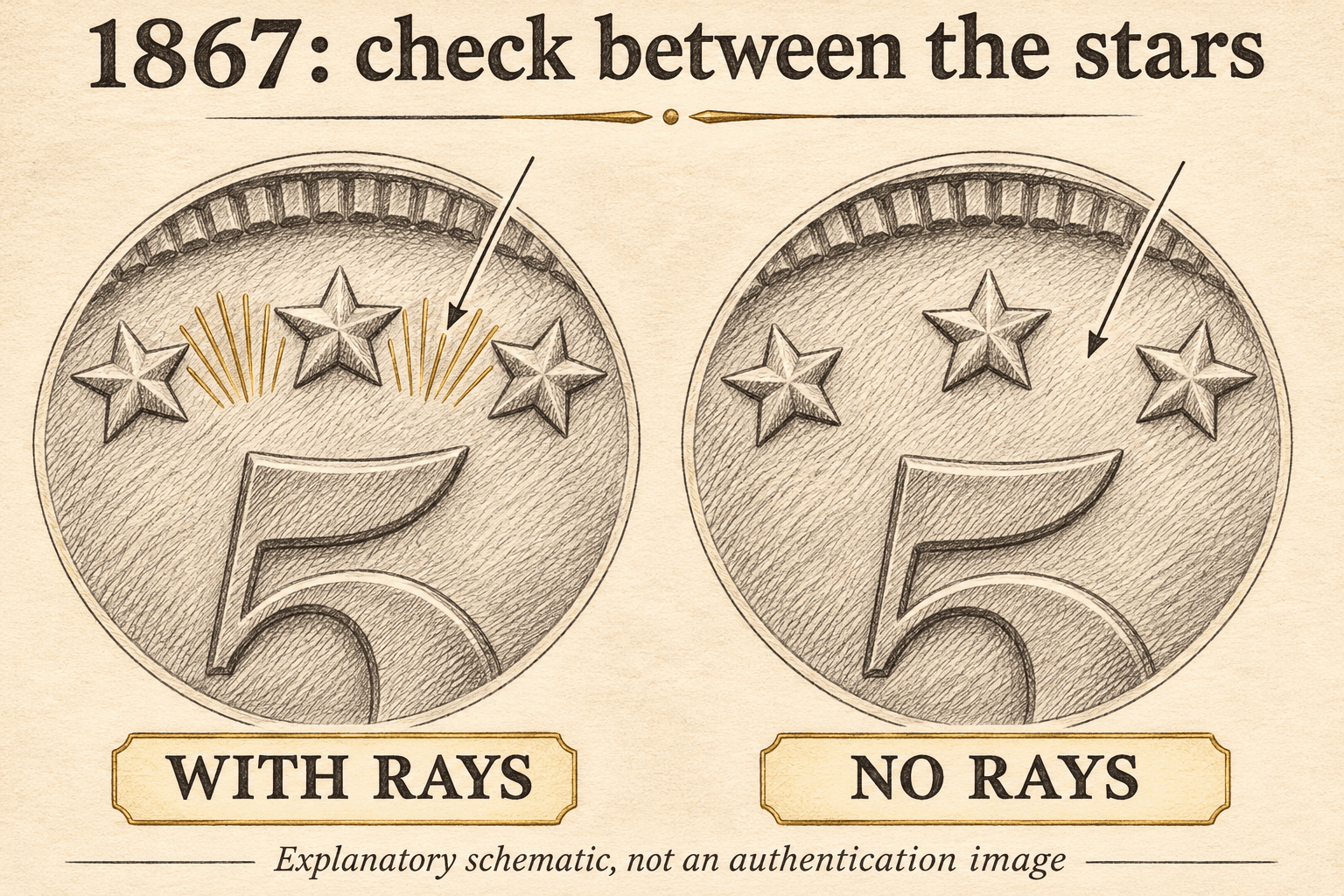
Shield Nickel Value: Check the Date and With-Rays Type First
Learn how to check Shield nickel value by matching the issue and condition, comparing sourced references, and saving a dated collection record.
Open article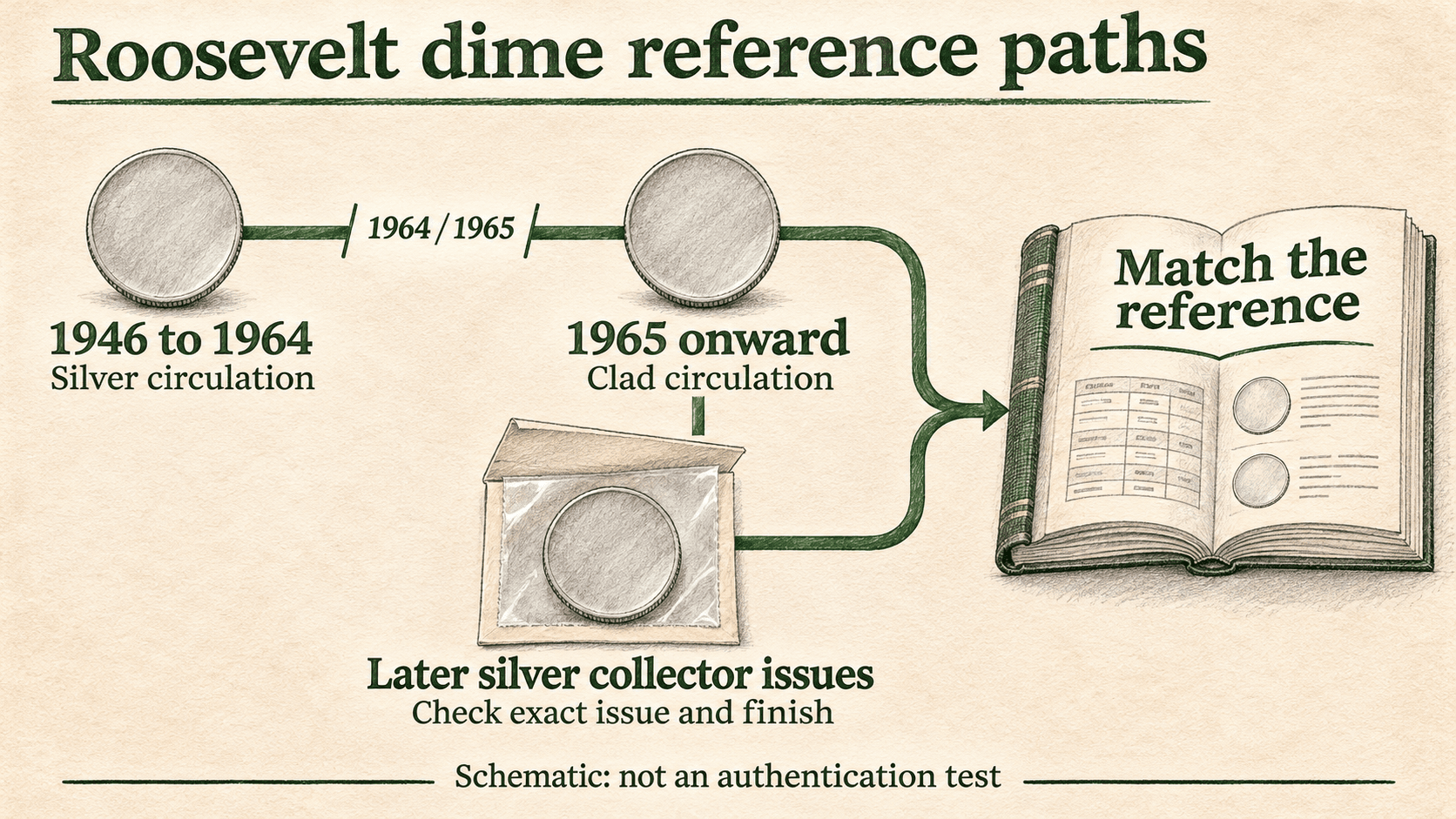
Roosevelt Dime Value: Separate Silver, Clad, and Collector Issues
Learn how to check Roosevelt dime value by matching the issue and condition, comparing sourced references, and saving a dated collection record.
Open article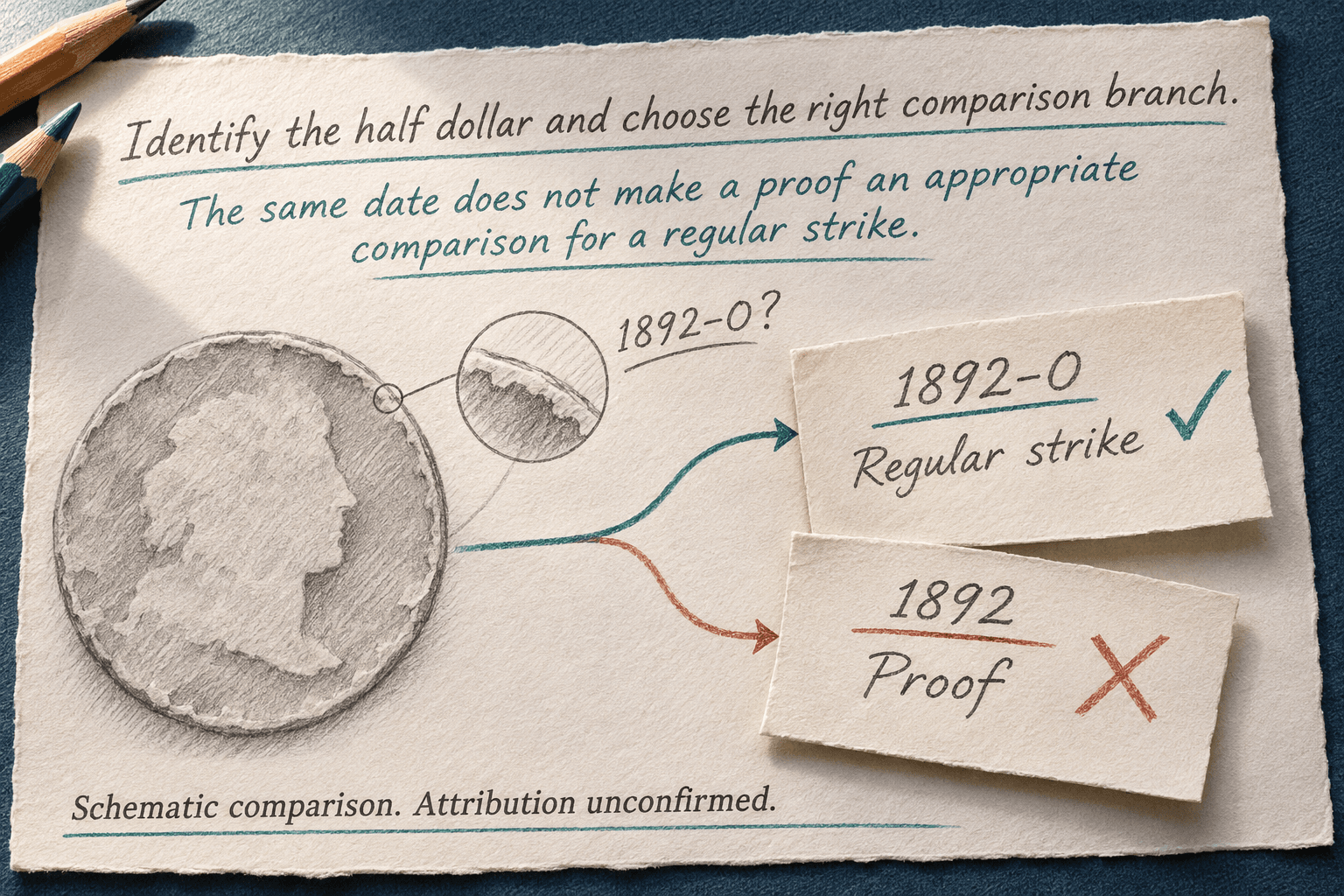
Barber Half Dollar Value: Find the Right Issue and Comparison
Learn how to check Barber half dollar value by matching the issue and condition, comparing sourced references, and saving a dated collection record.
Open article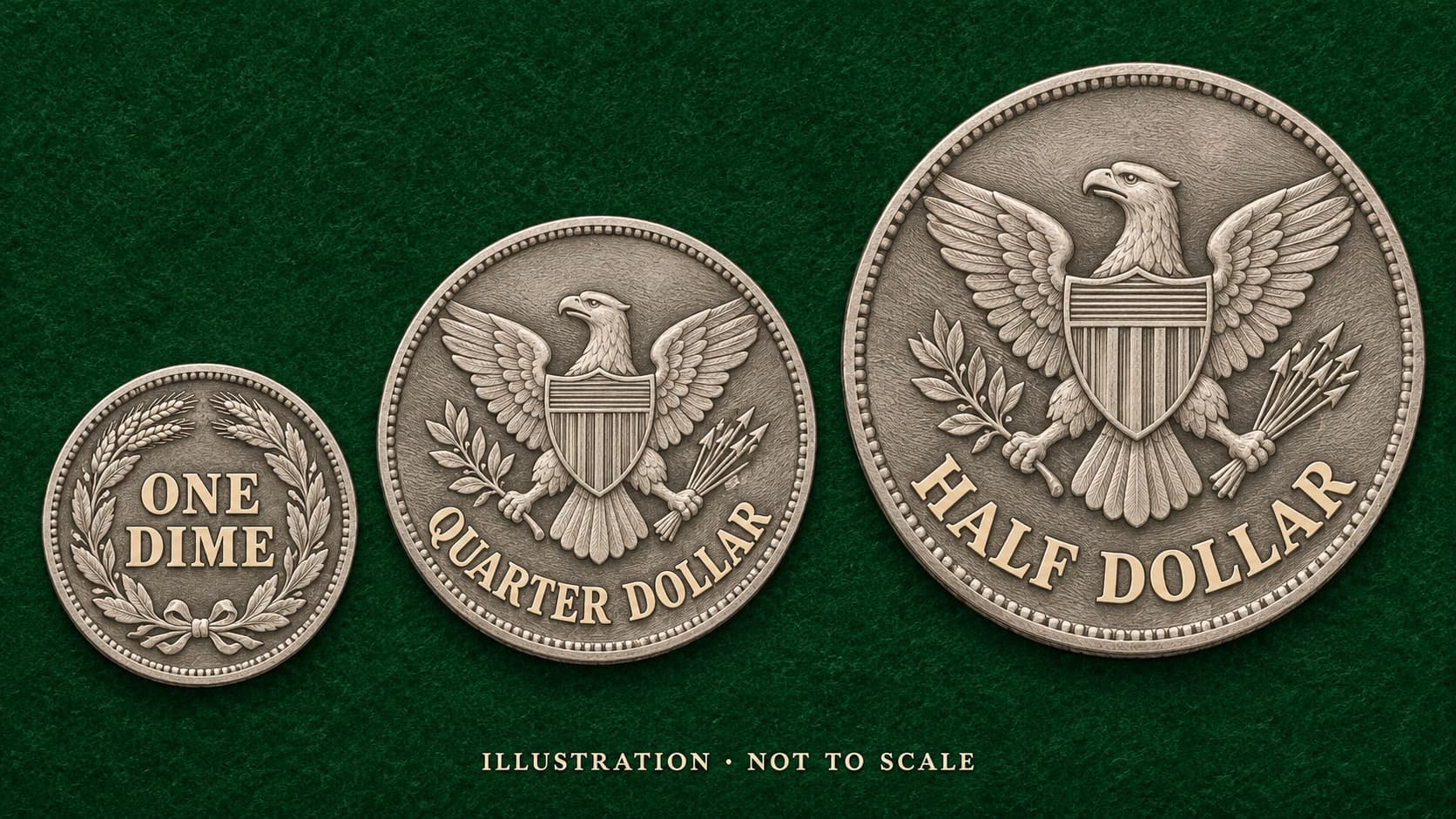
Barber Dime Value: Match the Date, Mint, and Condition
Learn how to check Barber dime value by matching the issue and condition, comparing sourced references, and saving a dated collection record.
Open article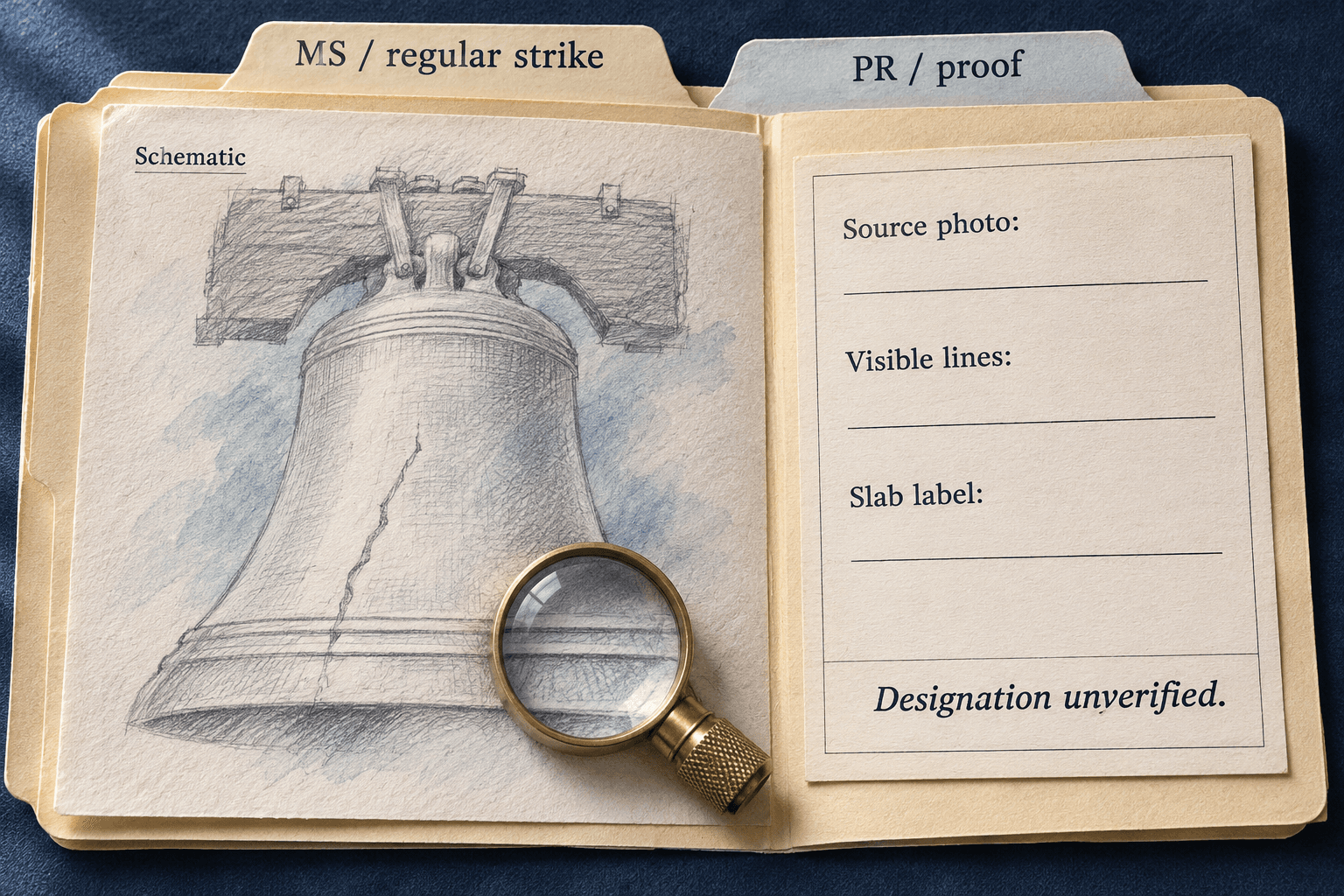
Franklin Half Dollar Value: Read the Date, Finish, and Bell Details
Learn how to check Franklin half dollar value by matching the issue and condition, comparing sourced references, and saving a dated collection record.
Open article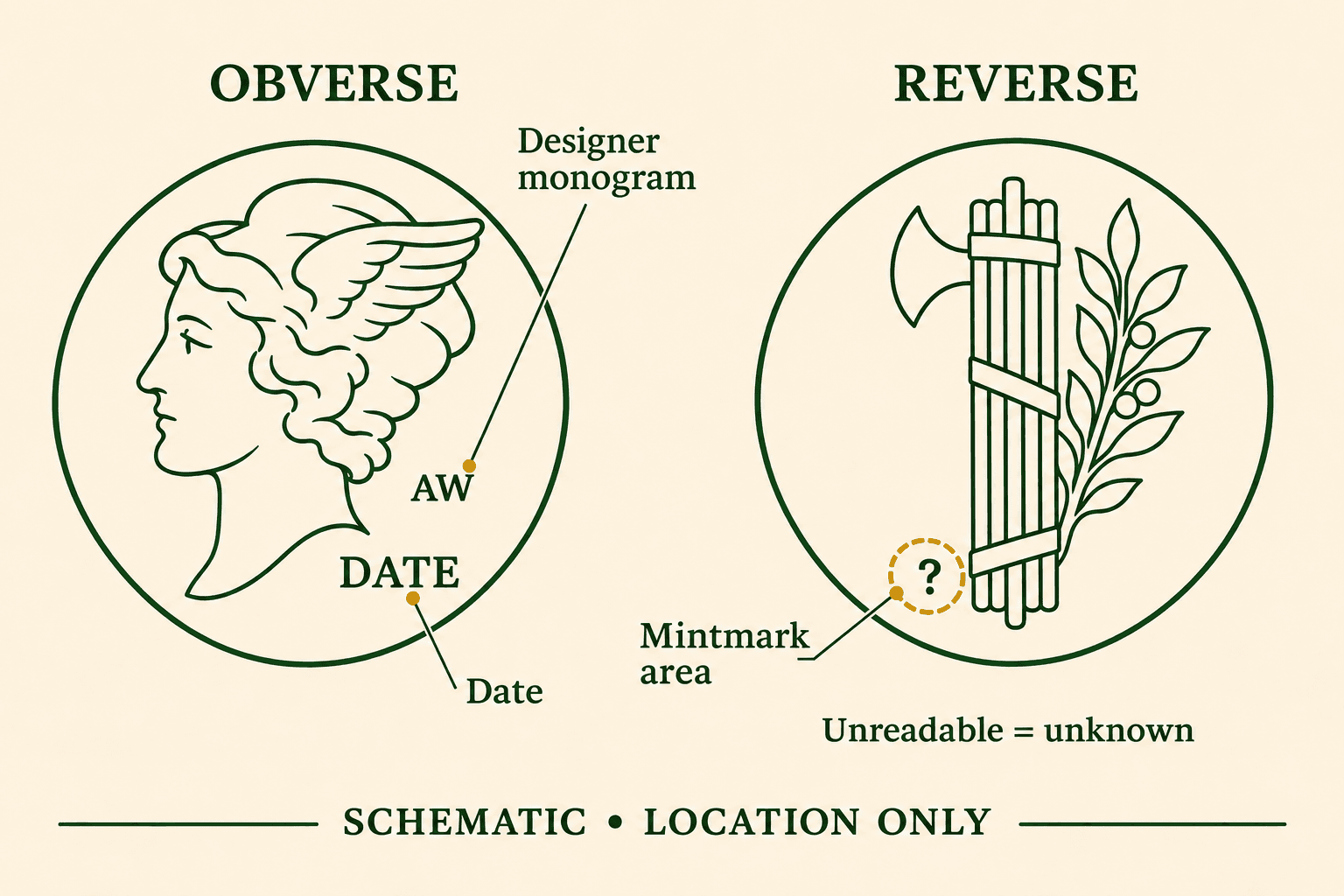
Mercury Dime Value: Identify the Issue Before You Compare Prices
Learn how to check Mercury dime value by matching the issue and condition, comparing sourced references, and saving a dated collection record.
Open article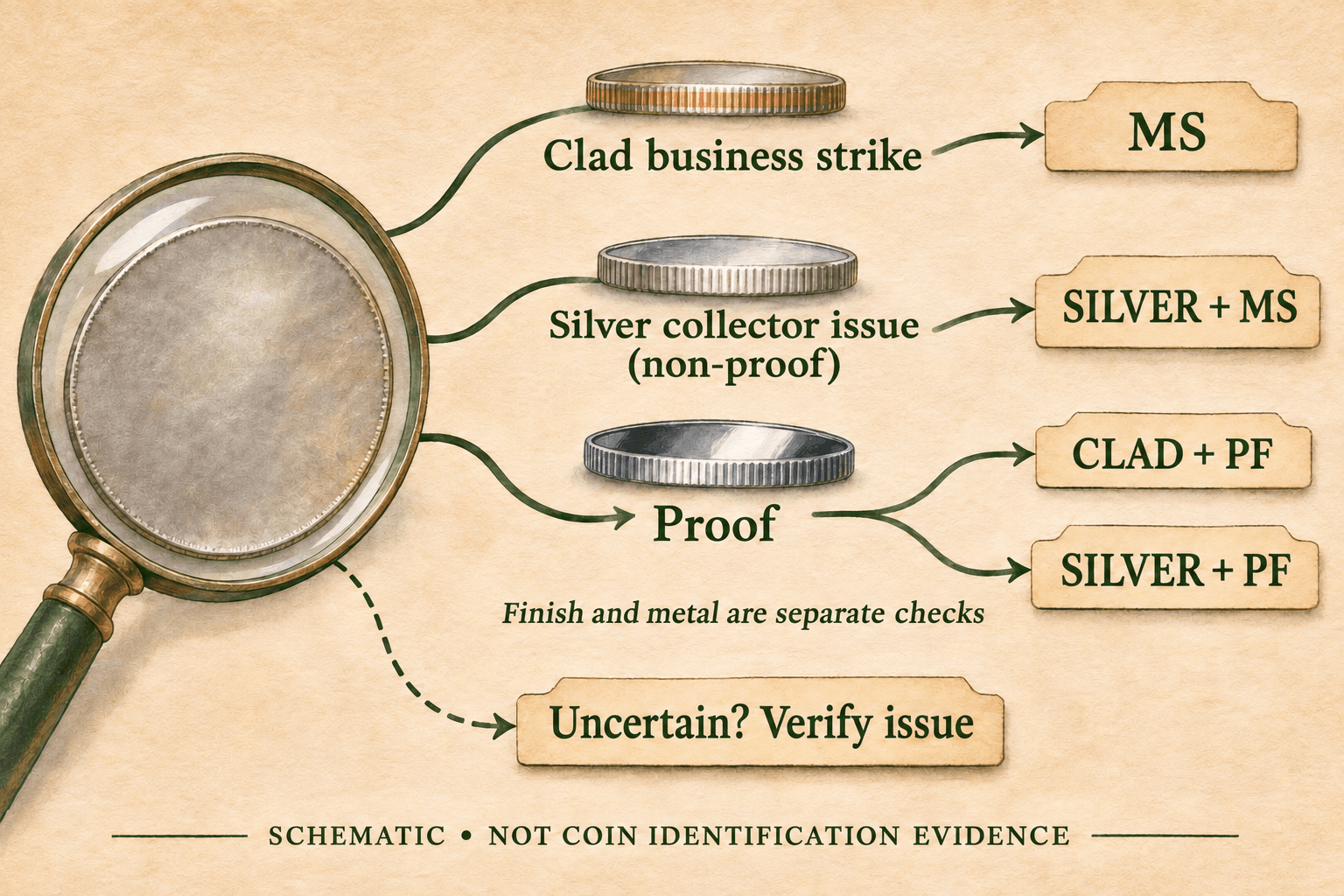
Eisenhower Dollar Value: Check Clad, Silver, and Proof Issues
Learn how to check Eisenhower dollar value by matching the issue and condition, comparing sourced references, and saving a dated collection record.
Open article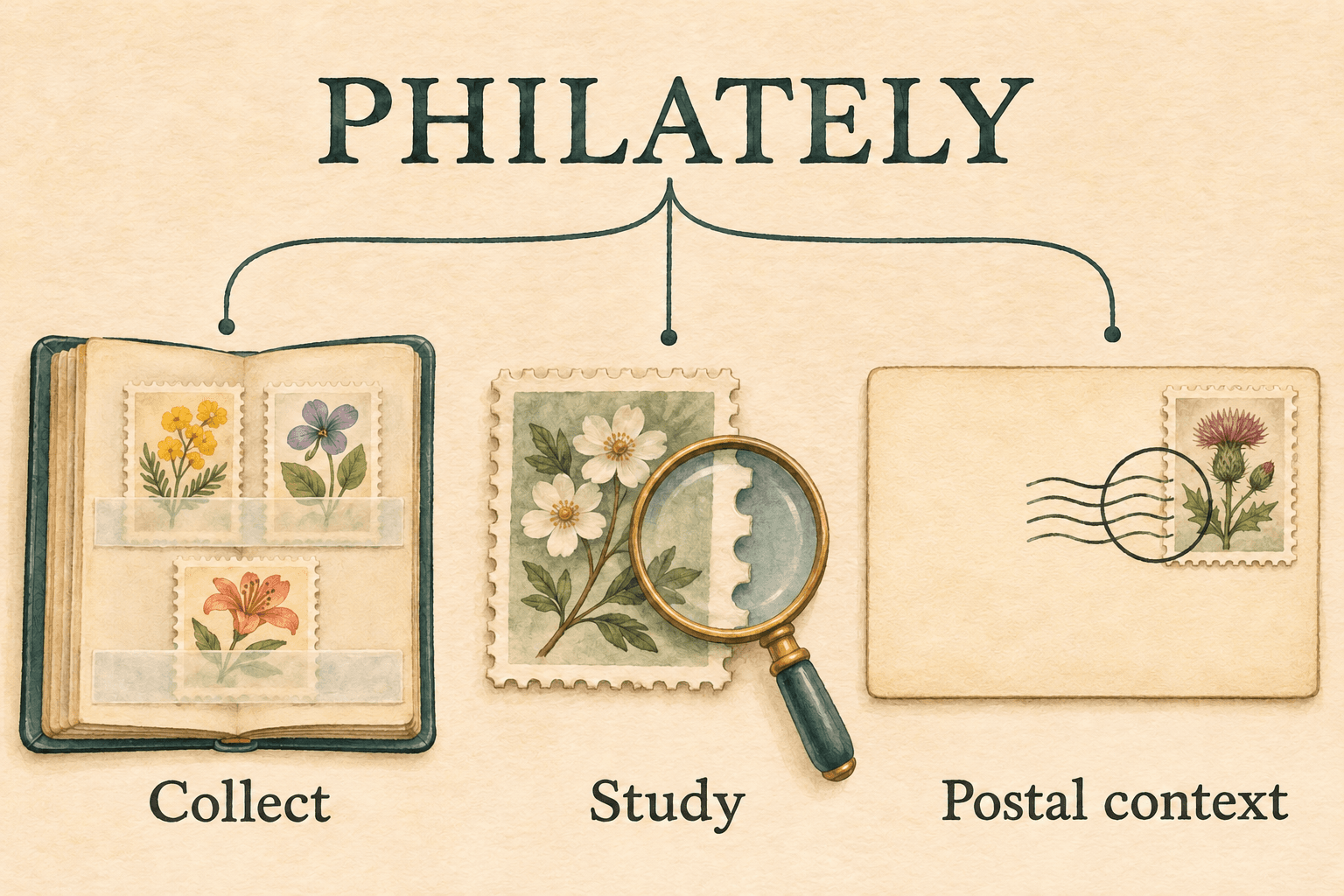
What Is Philately? The Stamp Collector's Term, Explained
Learn what philately means, how it relates to stamp collecting, and which basic terms help describe a stamp or postal-history record.
Open article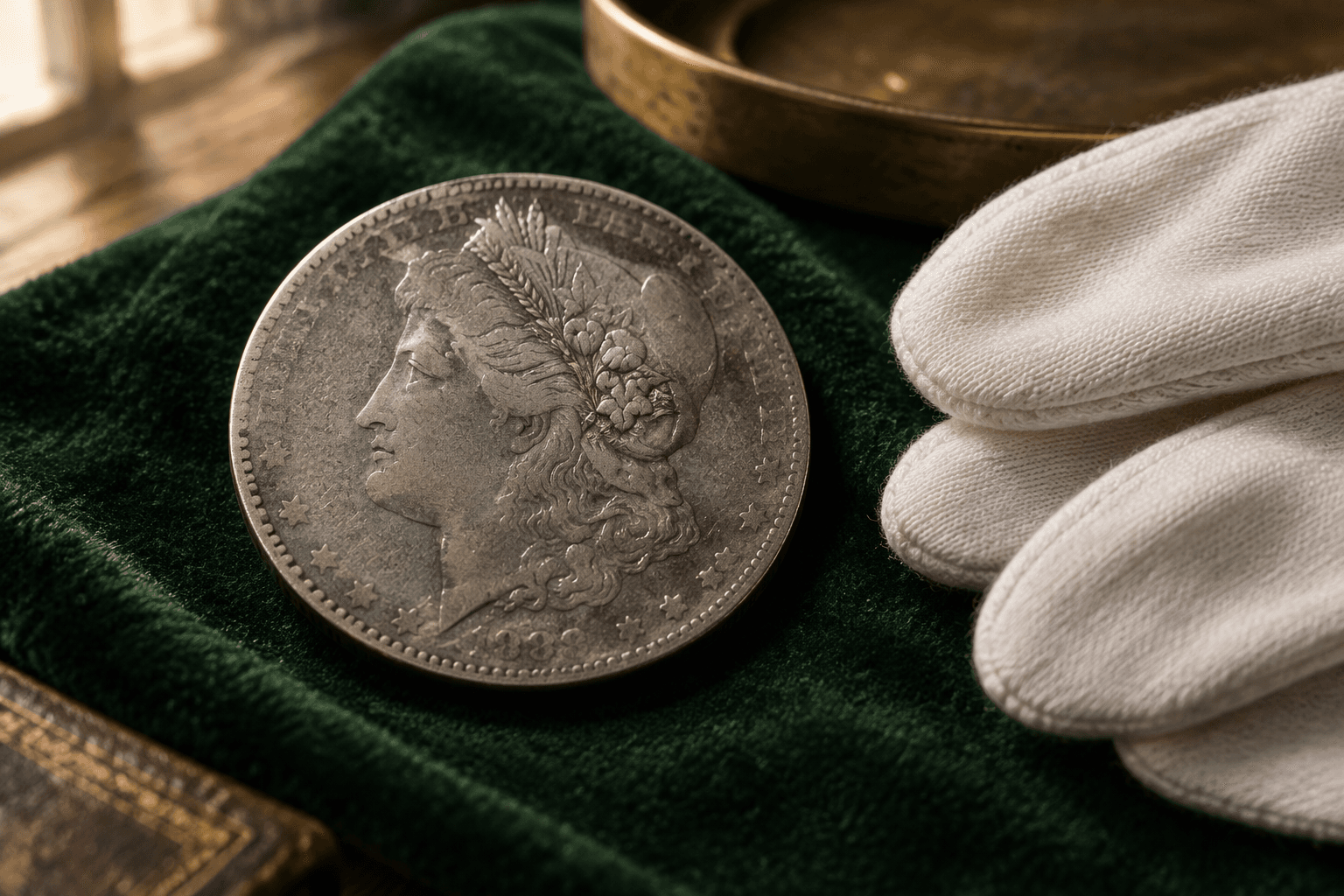
Morgan Silver Dollars: History, Mint Marks, and How to Record Yours
What Morgan silver dollars are, how to read O, S, CC, and D mint marks, how they differ from Peace dollars, and how to record yours with sources.
Open article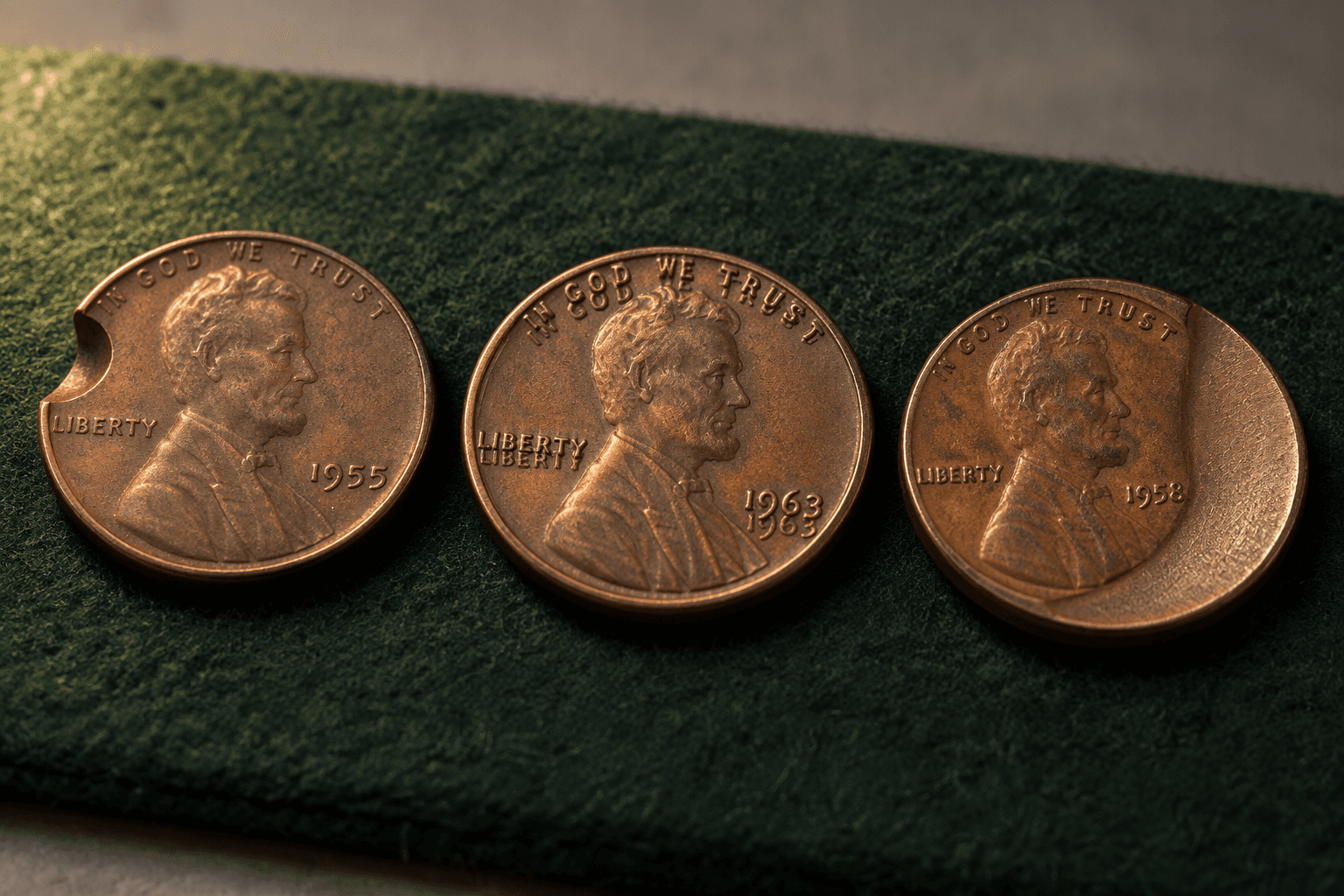
Coin Errors: How to Tell a Mint Error From Post-Mint Damage
The three mint error families, the famous doubled die penny, a four-question test to separate real mint errors from damage, and how to record findings.
Open article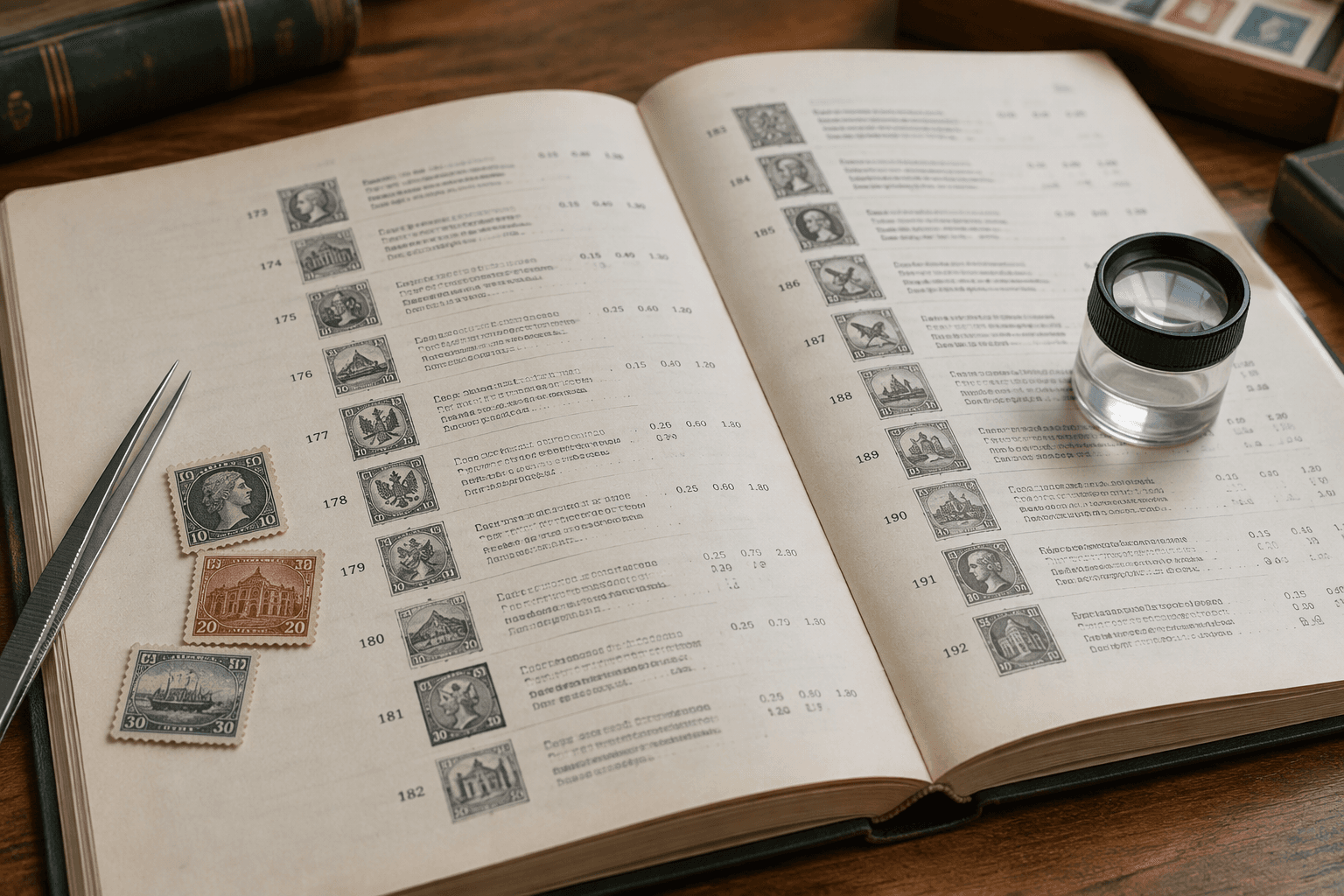
Stamp Catalogs and Scott Numbers: How to Find the Right Number for Your Stamp
What stamp catalogs are, how Scott, Michel, Gibbons, and Yvert numbering differ, a five-step lookup workflow, and how to record catalog numbers.
Open article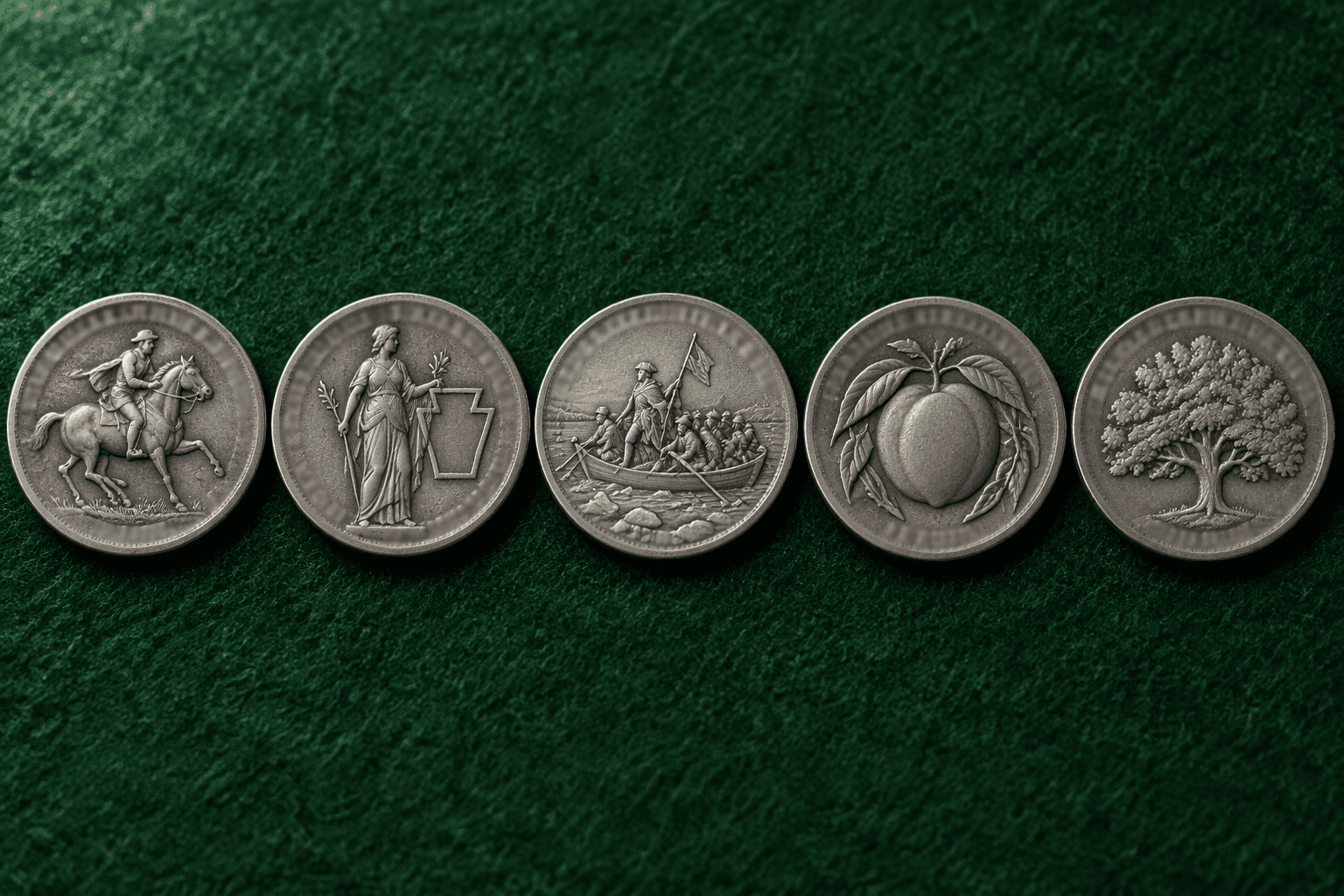
State Quarters: How the 50-State Program Works and How to Collect the Set
How the 50 State Quarters program worked from 1999 to 2008, the issue-order list by state and year, the 2009 territory extension, and how to track your set.
Open article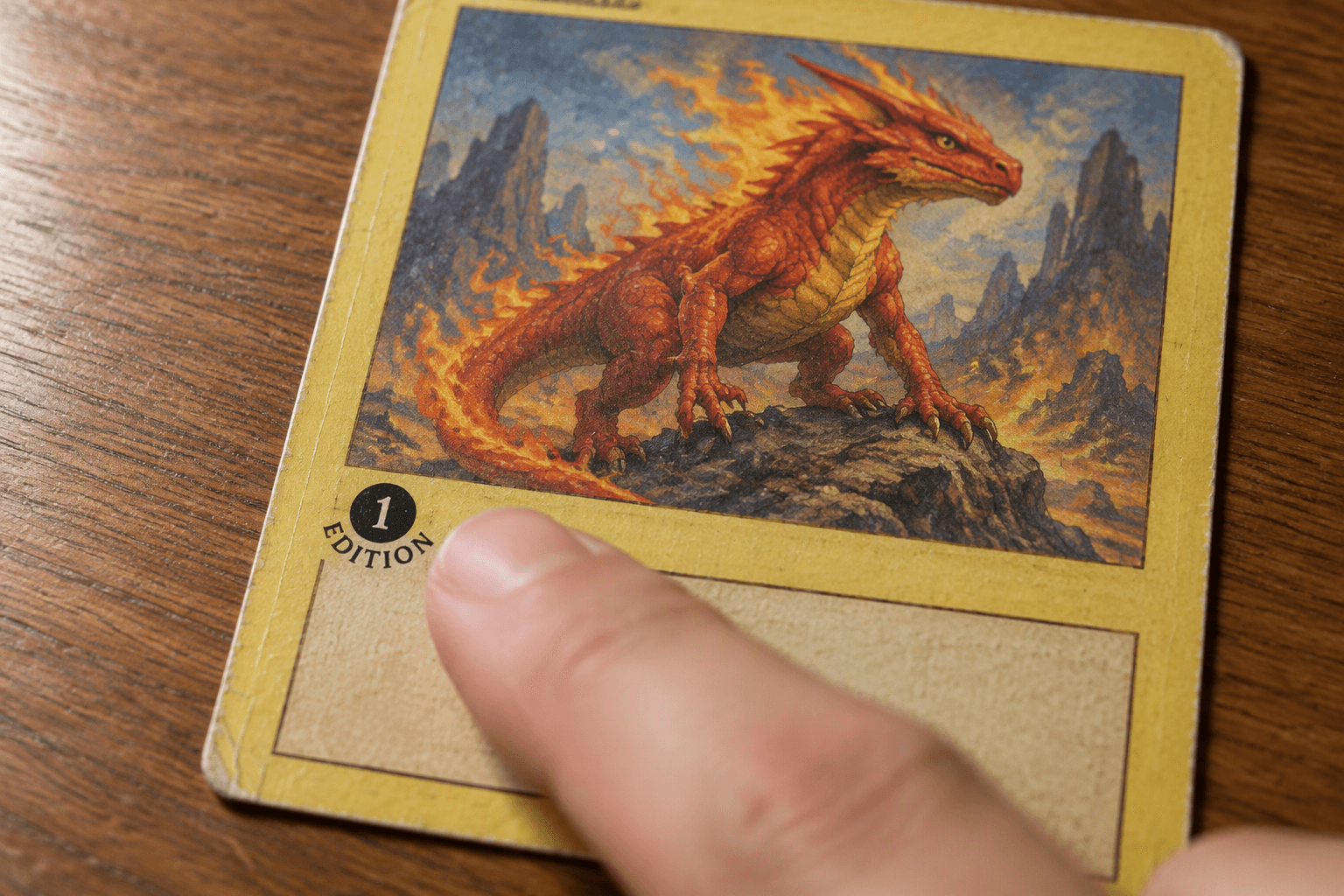
What Is a First Edition Pokemon Card? The Stamp, the Print Runs, and How to Check Yours
What the 1st Edition stamp means, how 1st Edition, Shadowless, and Unlimited print runs differ, and a four-step check to record your card.
Open article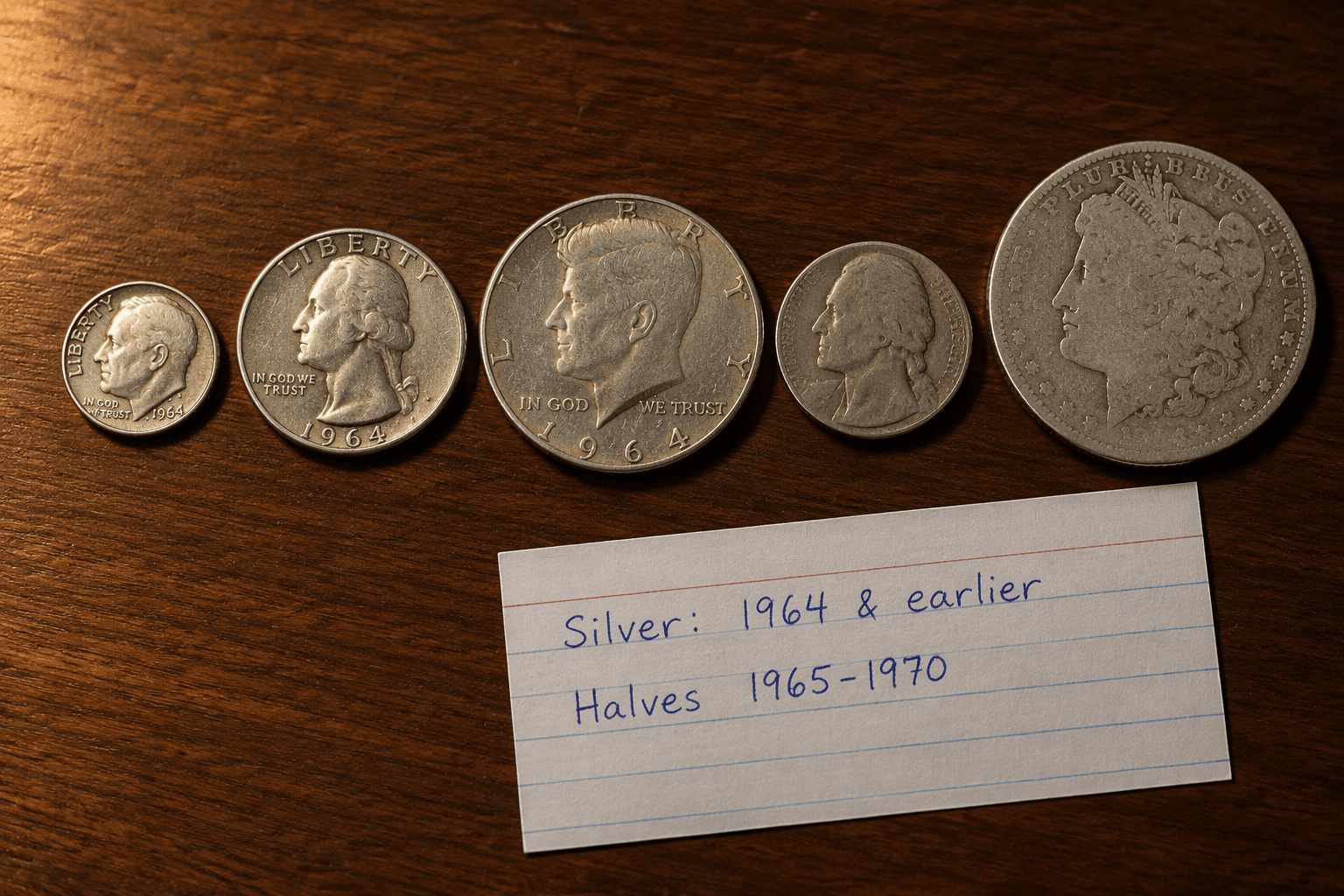
How to Tell If a Coin Is Silver: Date, Edge, and Simple Home Tests
Check US coins for silver content by date and denomination, use the edge test safely, and record what you find with dated, editable notes.
Open article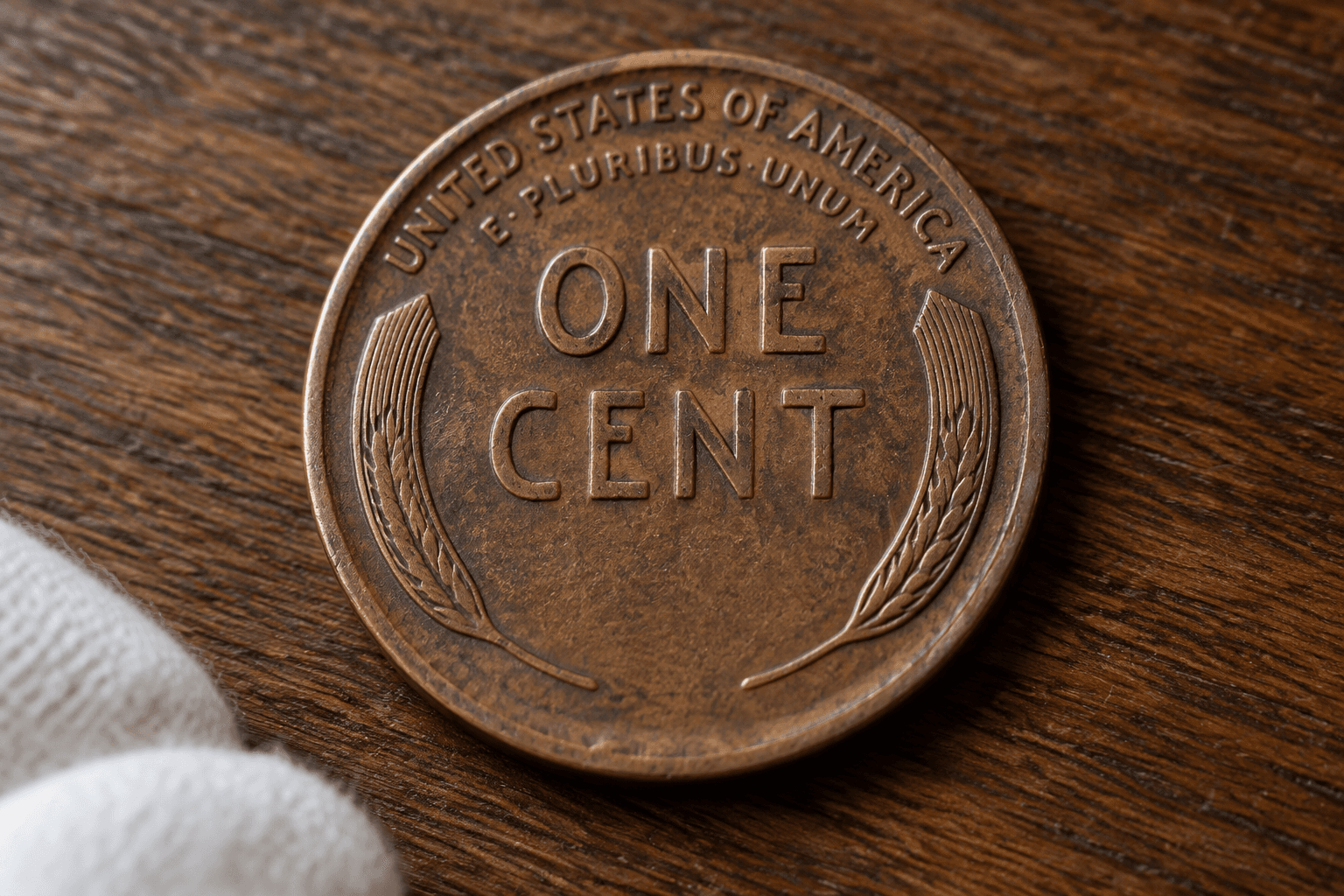
Wheat Pennies Explained: How to Spot and Record Lincoln Wheat Cents
What wheat pennies are, how to spot the wheat reverse and the 1943 steel cent, and how to record year and mint mark in a private, reviewable archive.
Open article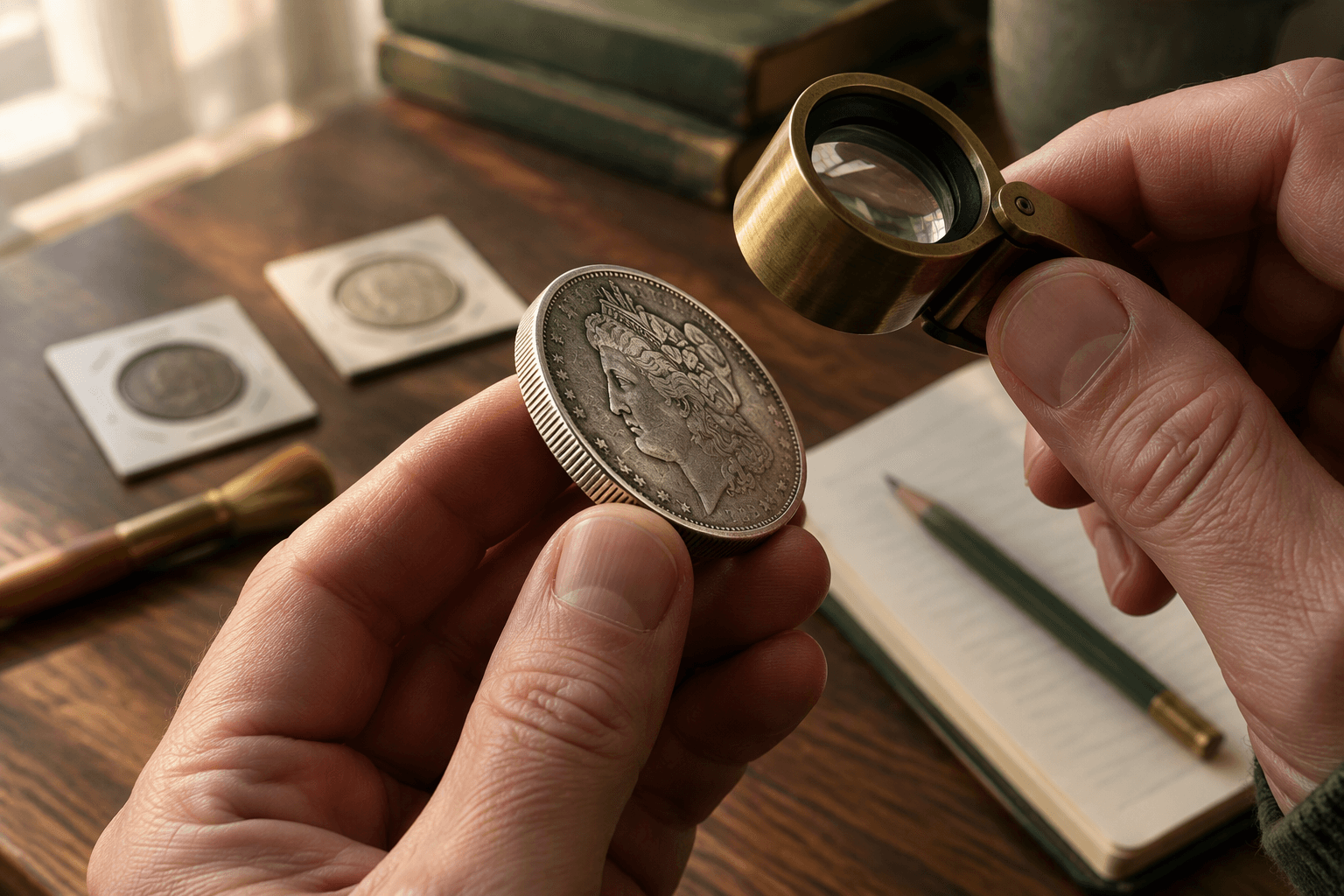
What Is Numismatics? A Beginner's Map of Coin Collecting Terms
Numismatics defined in plain English, plus a beginner glossary of coin collecting terms, the hobby's subfields, and links to deeper term guides.
Open article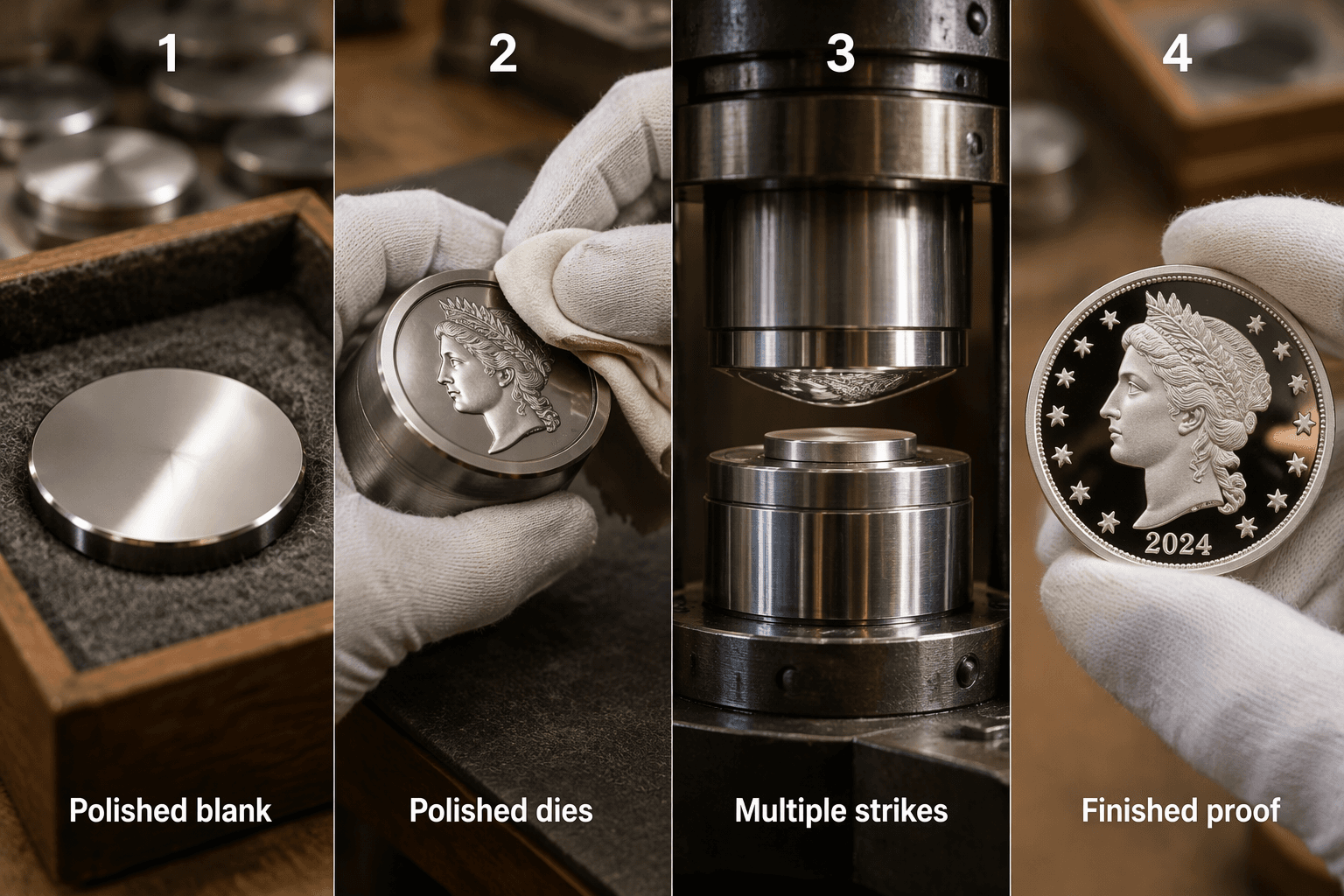
What Is a Proof Coin? Mirror Finishes, Cameo, and Proof Sets
Proof coins explained: a minting process, not a condition grade. How proofs are struck, cameo and reverse proof looks, proof vs uncirculated, and PR-70 labels.
Open article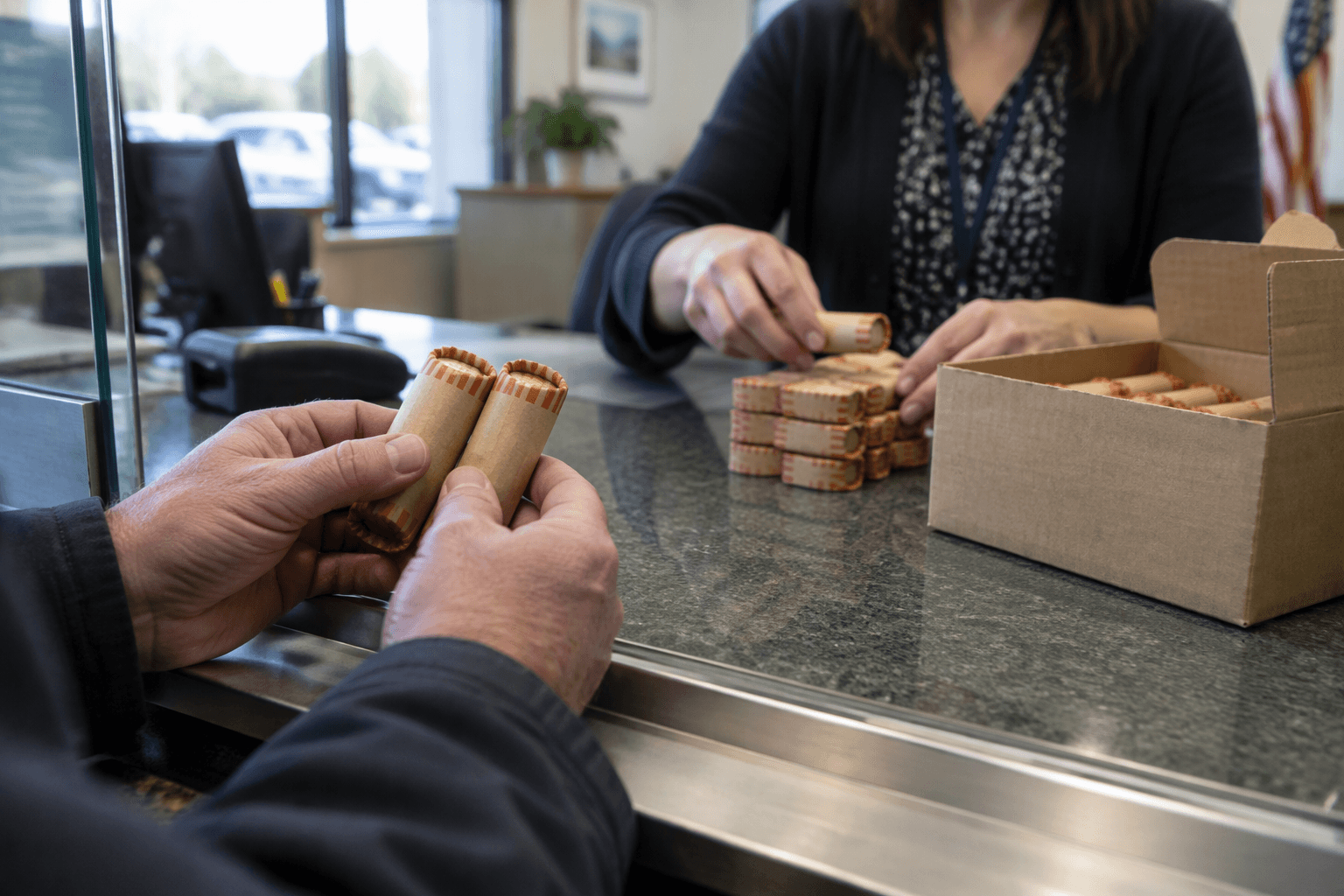
Coin Roll Hunting for Beginners: What to Pull and How to Record Finds
How coin roll hunting works, what to look for in each denomination, practical tips for your first bank visit, and how to log finds with sources.
Open article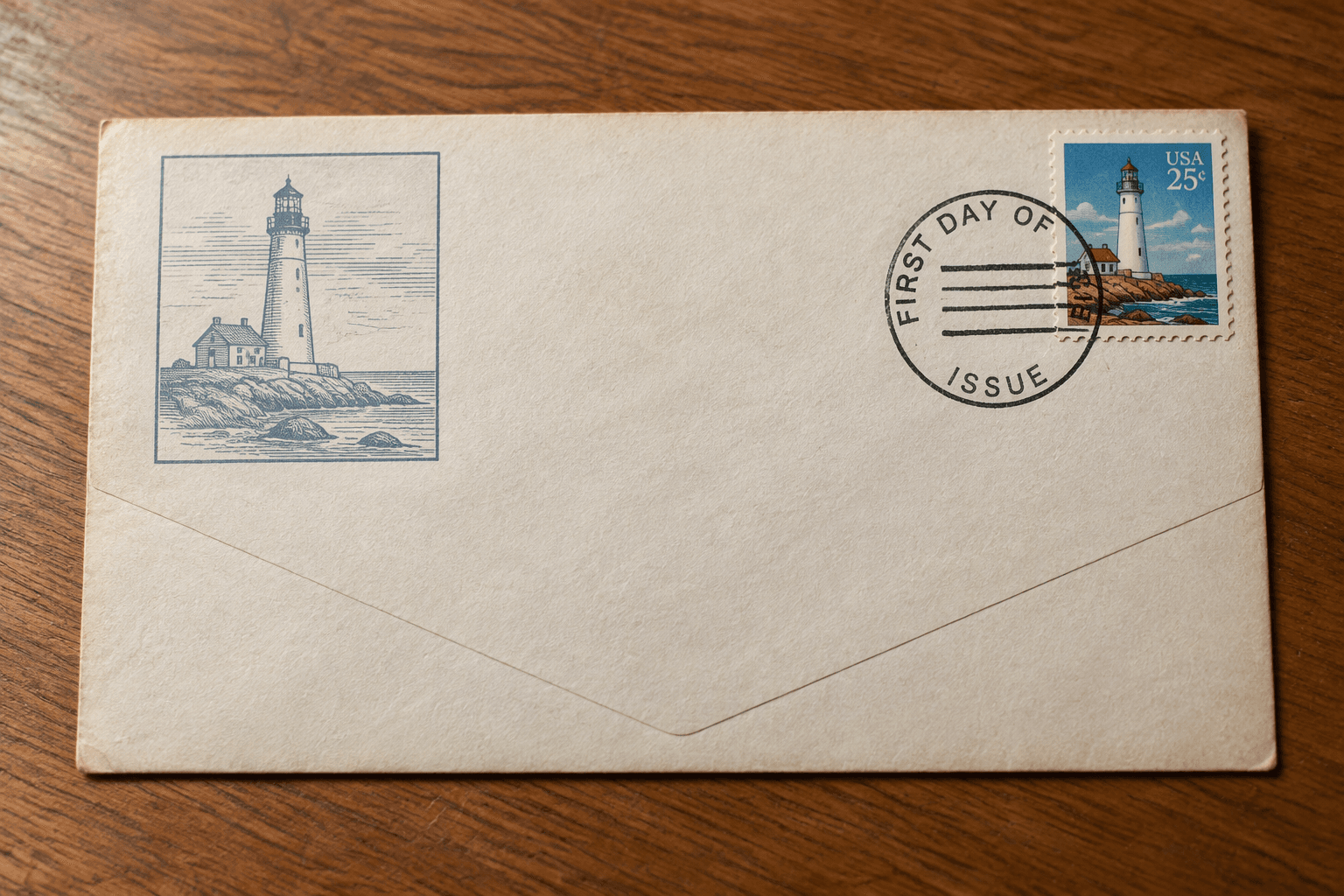
First Day Covers Explained: What They Are and How to Keep Them
What a first day cover is, the stamp, postmark and cachet on one, how covers differ from loose stamps, and how to sort and record an inherited pile.
Open article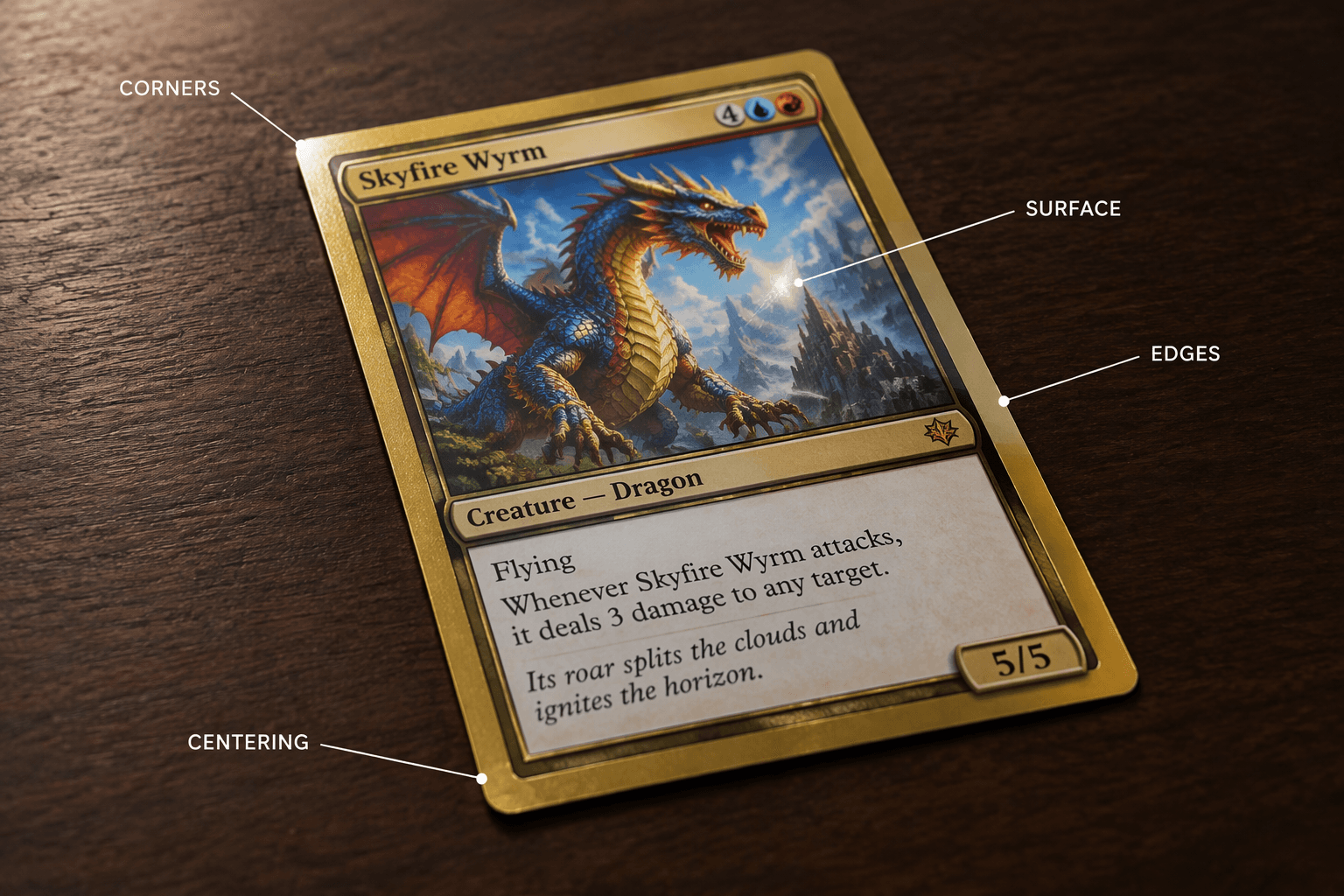
Card Grading 101: What PSA, CGC and the 1-10 Scale Mean
What third-party trading card grading is, what graders check, how to read the PSA 1-10 scale, who the major companies are, and how to record a graded slab.
Open article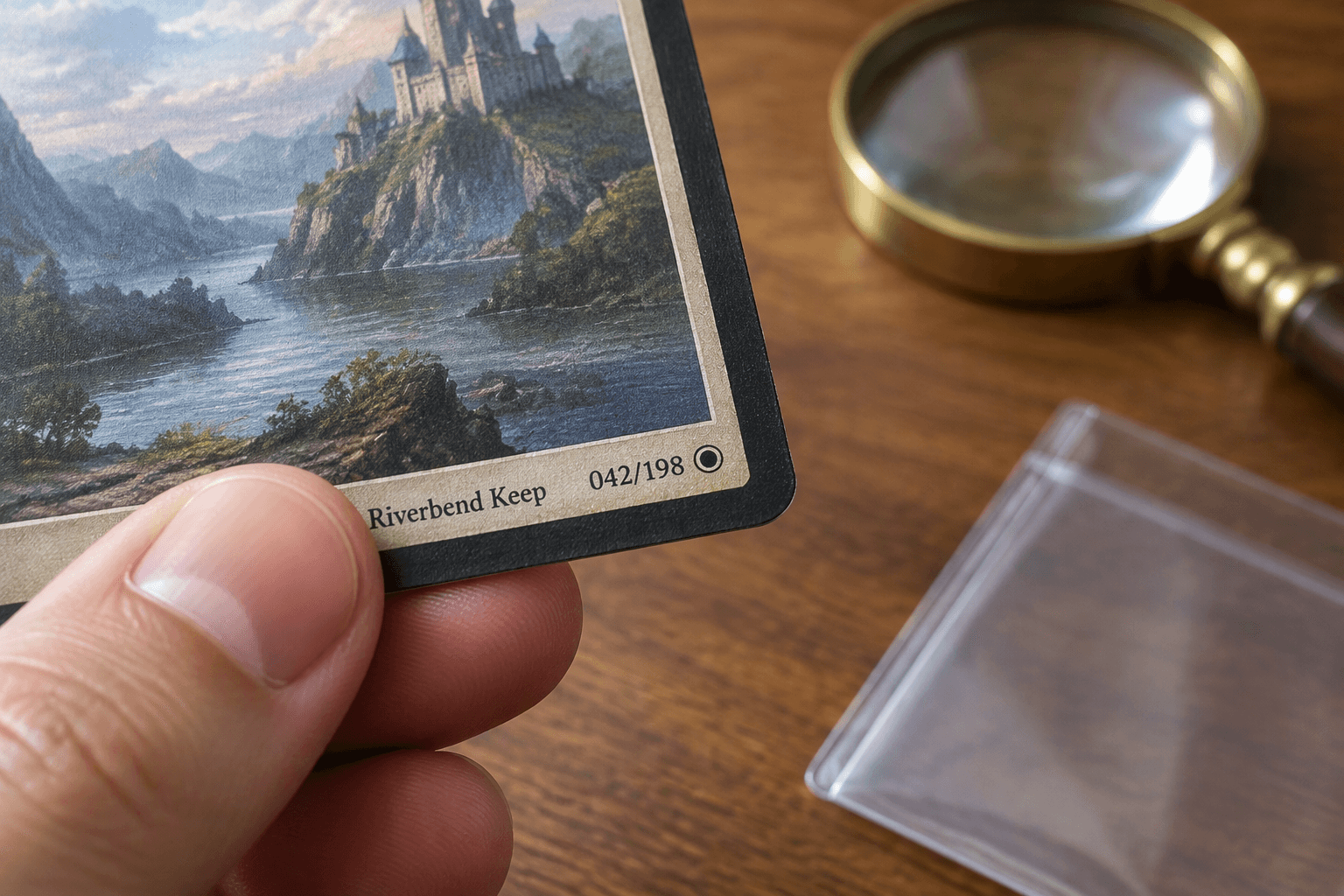
How to Check Pokemon Card Values: A Careful Way to Price Your Cards
Step-by-step Pokemon card value check: identify the card, note visible condition, check raw and graded market references, and save each price with its source.
Open article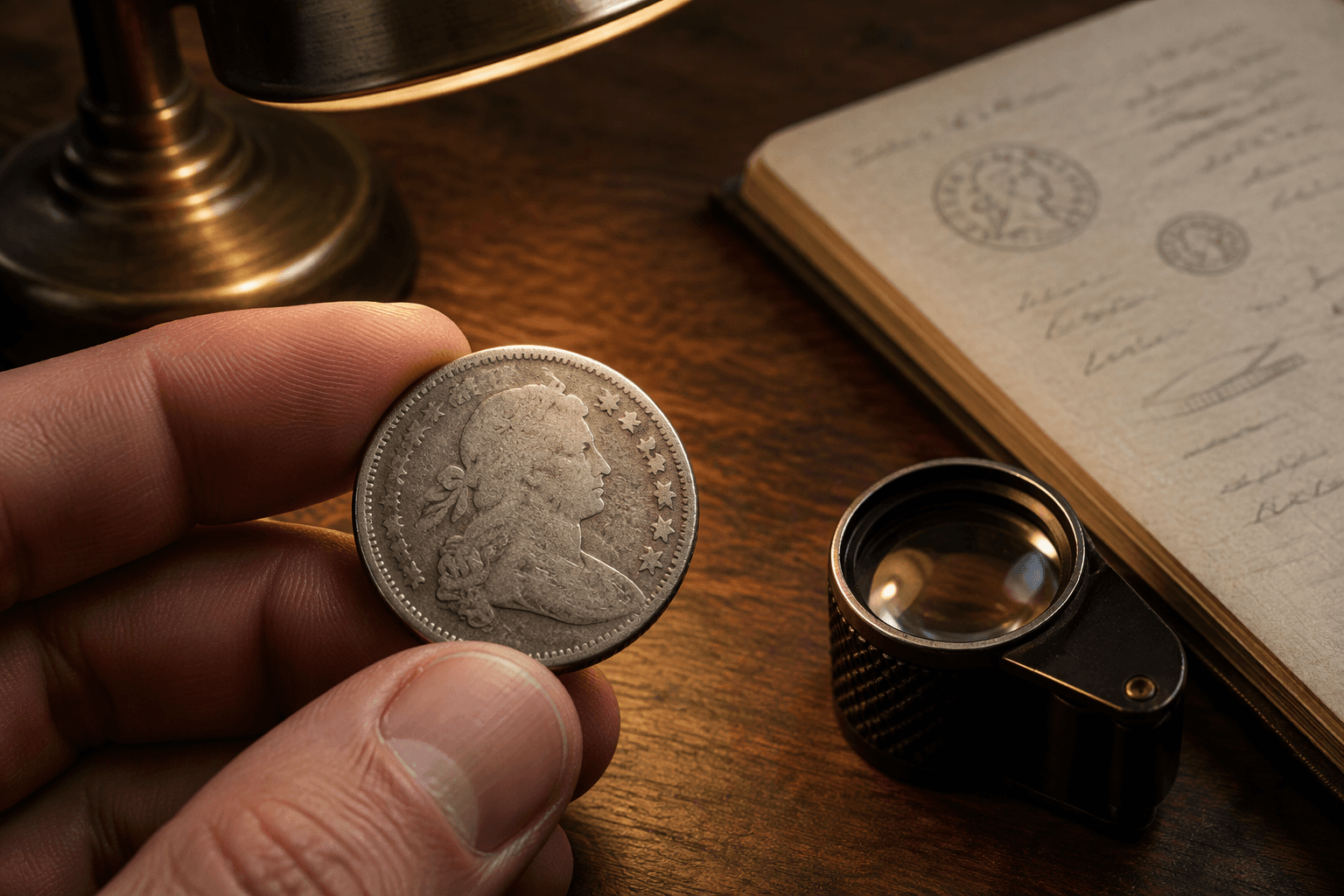
Coin Grading Explained: What the Sheldon Scale Actually Means
A plain-language guide to the Sheldon 1-70 coin grading scale: what MS, AU, VG and PF labels mean, how condition bands differ, and how to record what you see.
Open article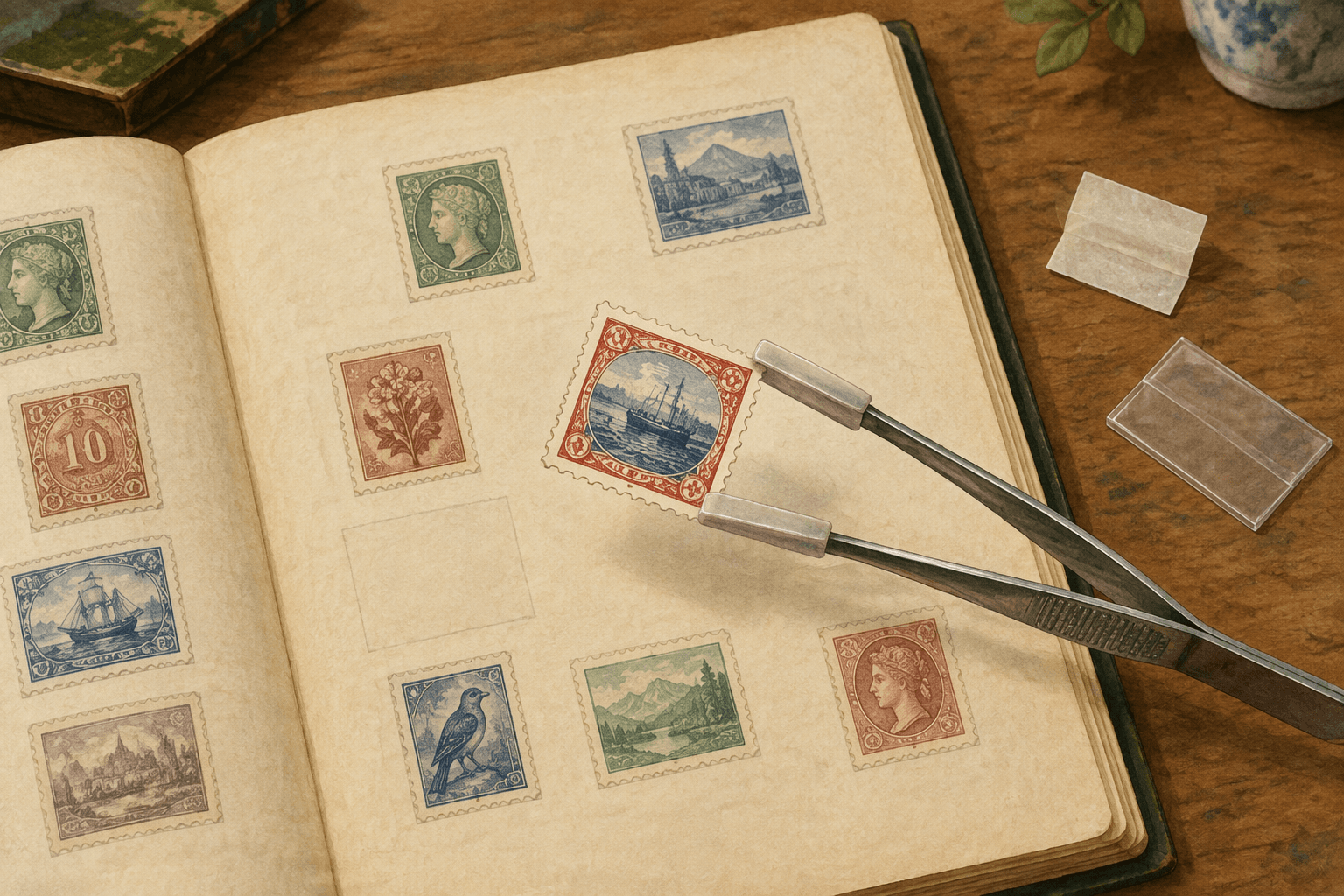
Stamp Hinges vs Mounts: How to Mount Stamps Without Regret
How to mount stamps in an album: hinges vs mounts, which to use for used or mint stamps, safe mounting steps, and what hinge remnants mean for condition records.
Open article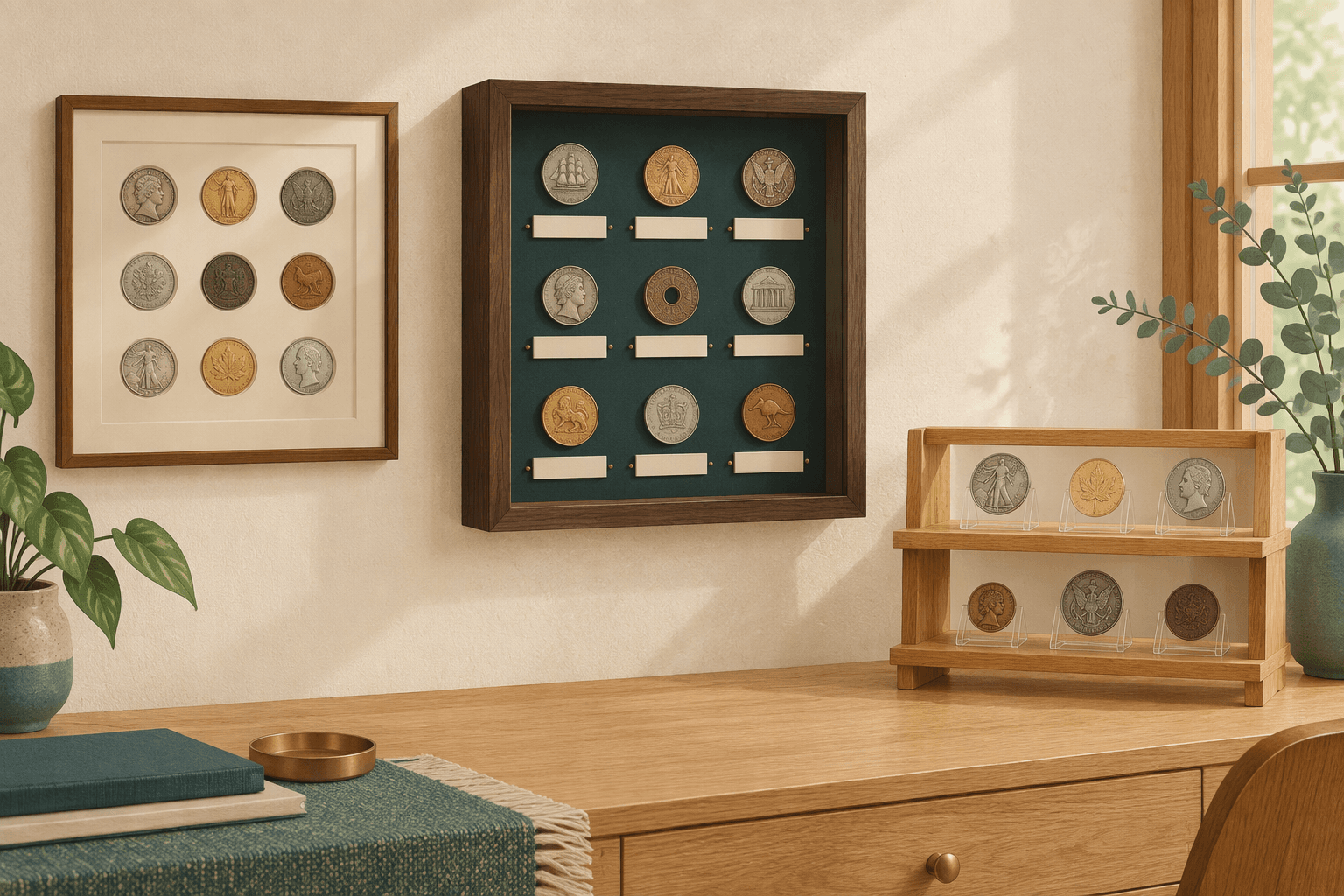
Coin Display Ideas That Keep Your Collection Safe and Visible
Coin display ideas that protect what you show: frames, shadow boxes, shelves, and digital share pages, with materials and handling notes for each.
Open article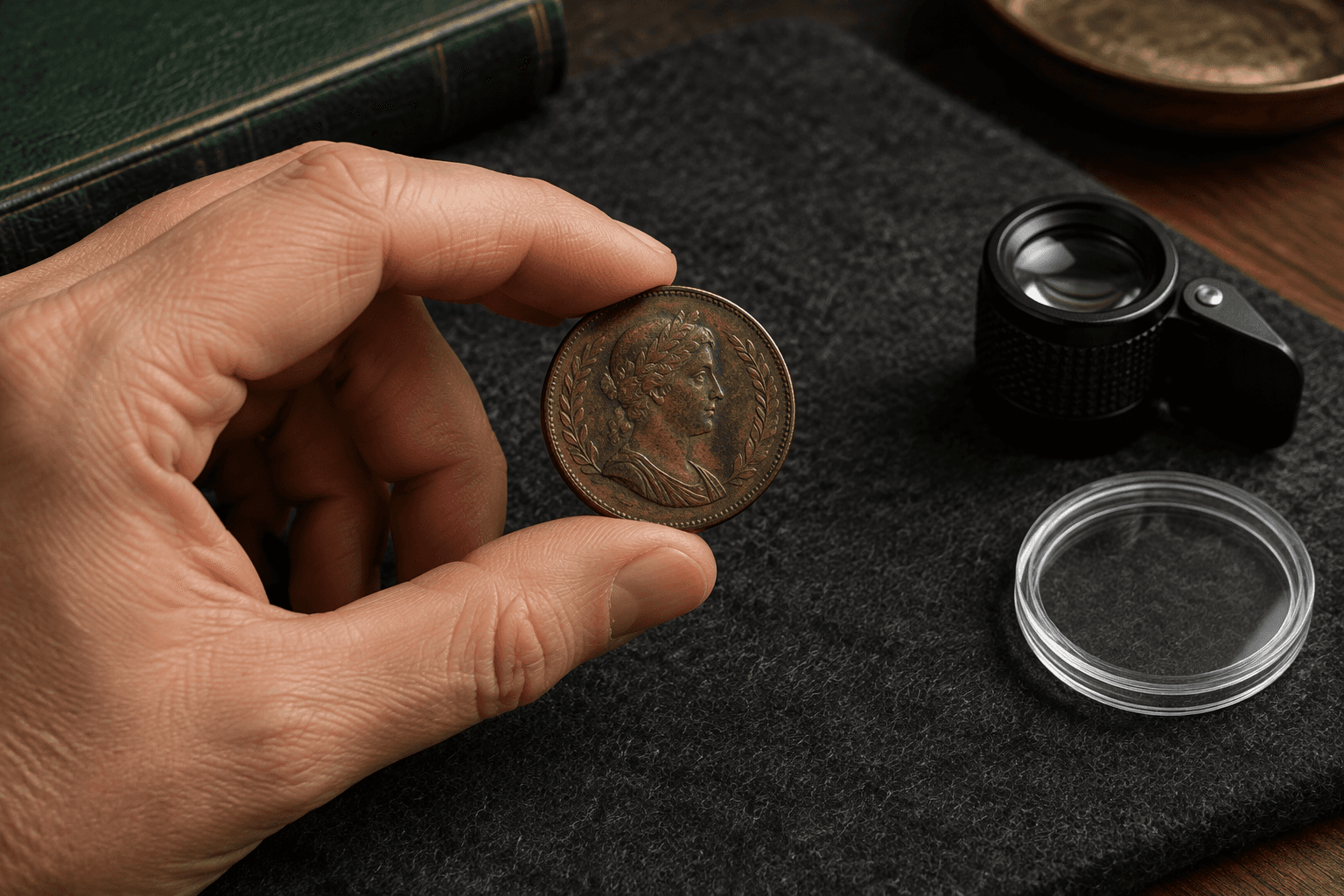
Should You Clean Old Coins? The Rule Most Collectors Learn Late
Should you clean old coins? Usually no. Learn why cleaning hurts collector value, safe steps for common low-value coins, and what never to do.
Open article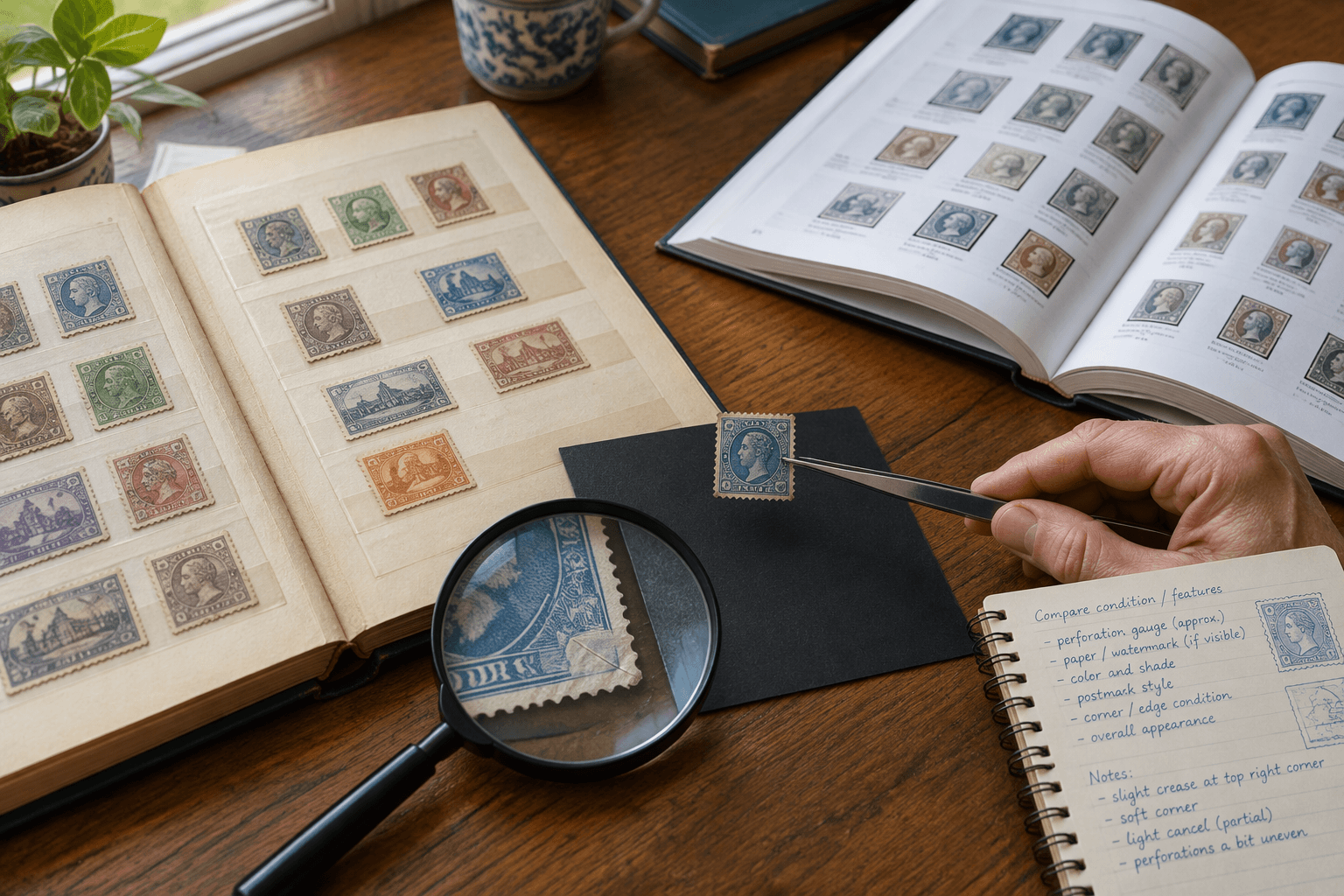
How Much Are My Stamps Worth? A Careful Way to Check
Find out what your stamps are worth with a careful process: exact identification, condition checks, catalog references, and real sales evidence, no promises.
Open article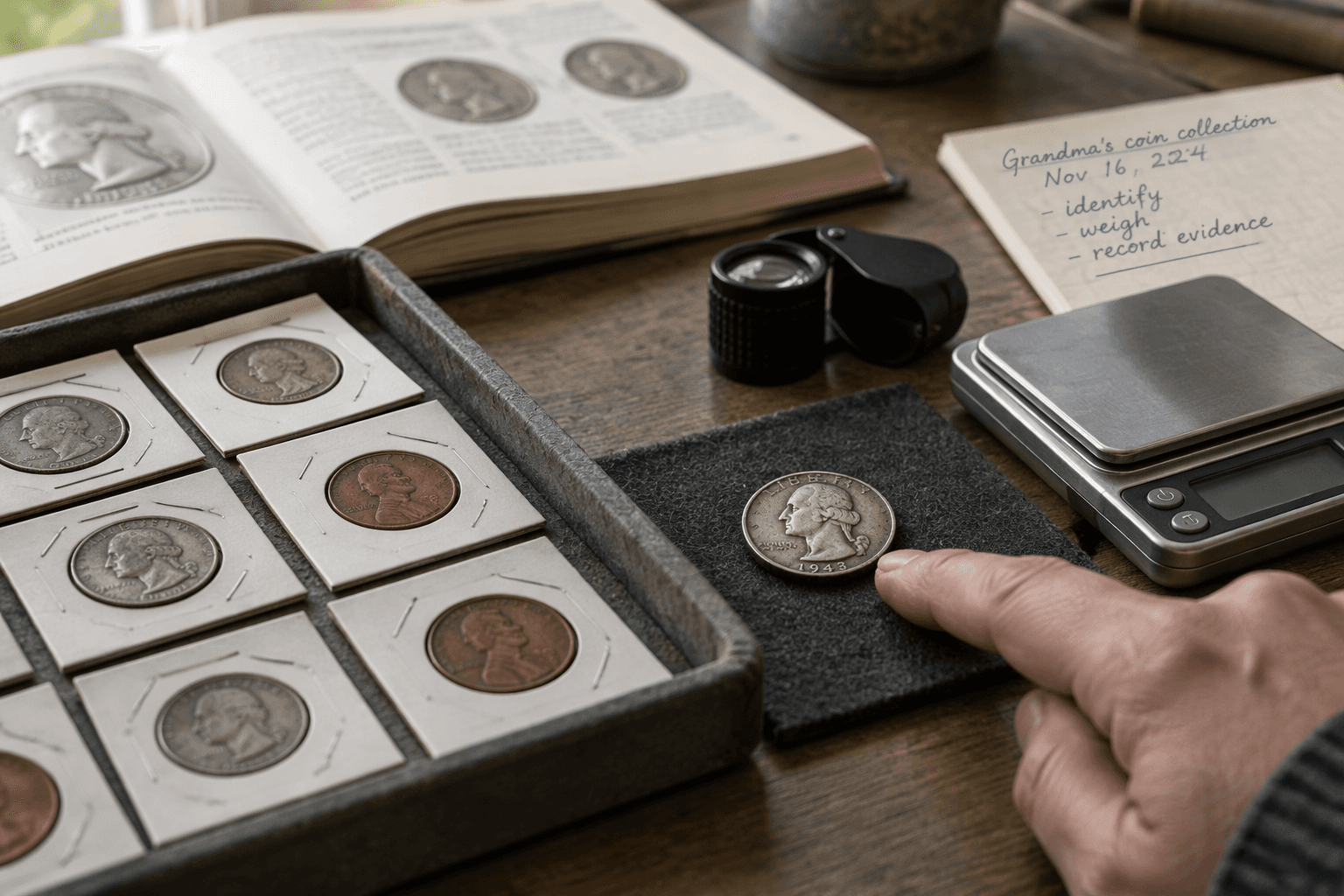
How Much Are My Coins Worth? A Careful Way to Check
Check what your coins are worth with a careful process: date, mint mark, metal, and condition, then compare sourced reference ranges, never a promise.
Open article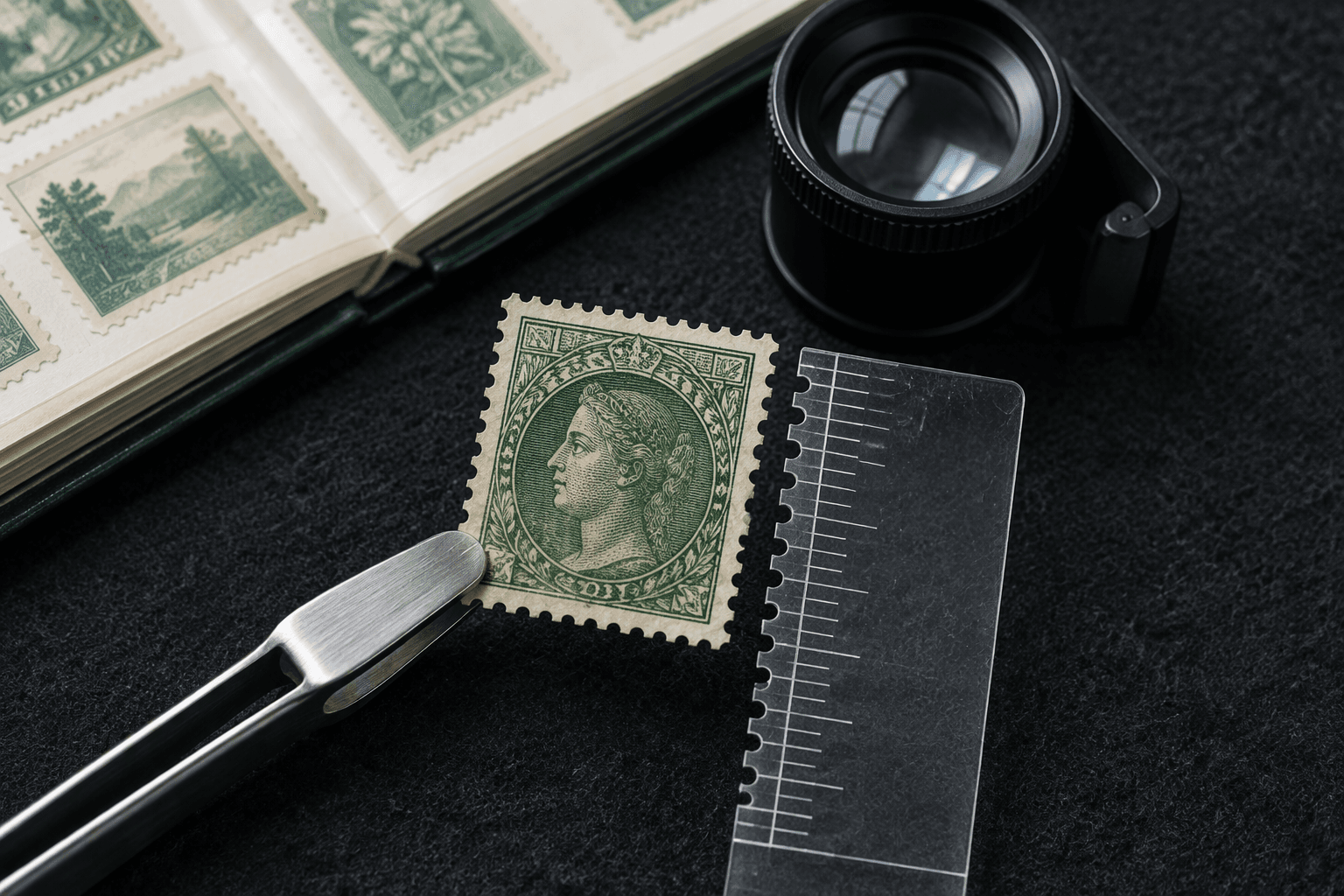
Stamp Identification: How to Figure Out What Stamp You Have
Identify any postage stamp step by step: country clues, year, design, watermark, and perforation checks, then confirm with catalog references before trusting an app.
Open article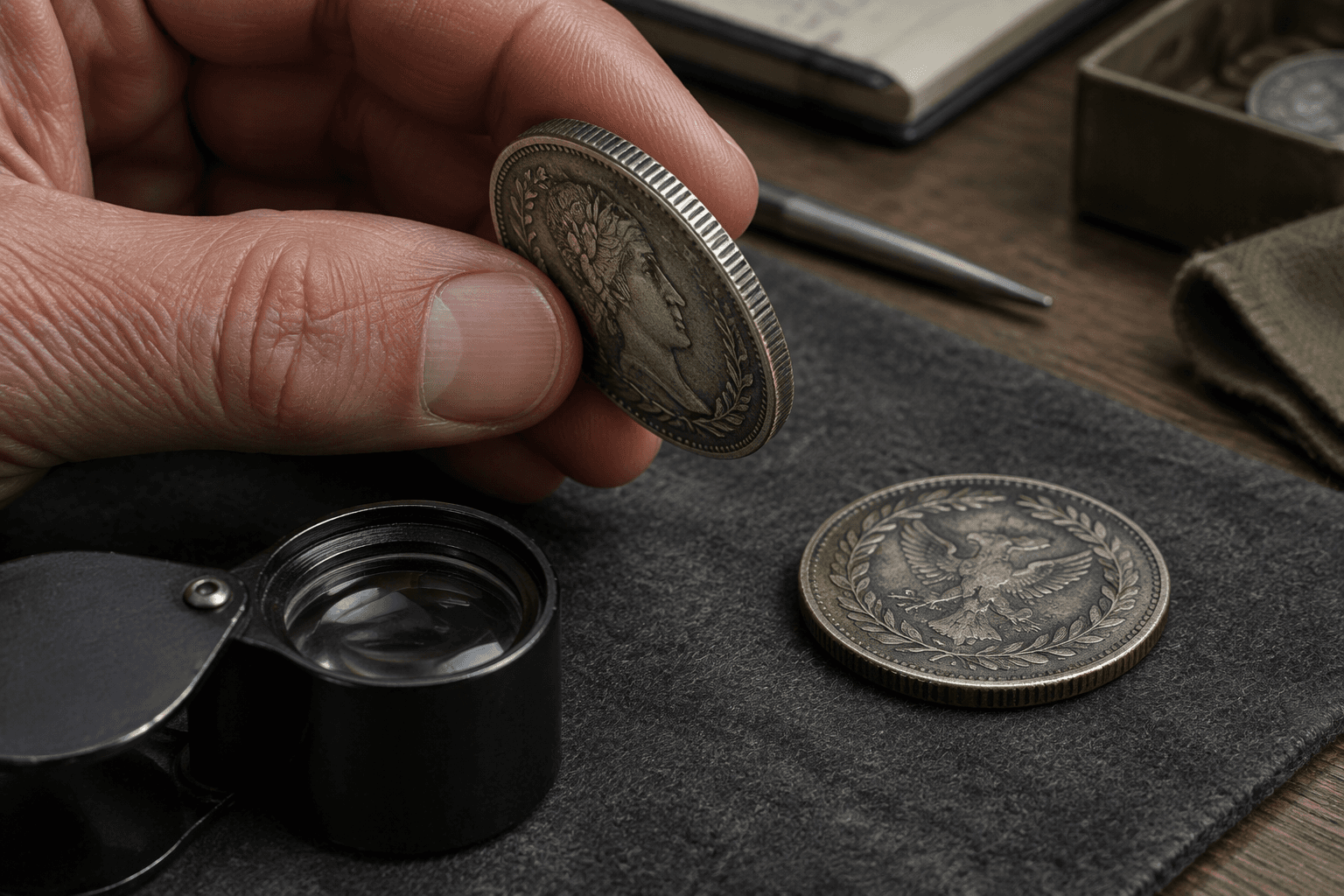
Coin Identification: How to Name an Unknown Coin, Step by Step
Name any unknown coin step by step: inscriptions, denomination, year, mint mark, and edge, then verify with free catalogs before trusting a photo tool.
Open article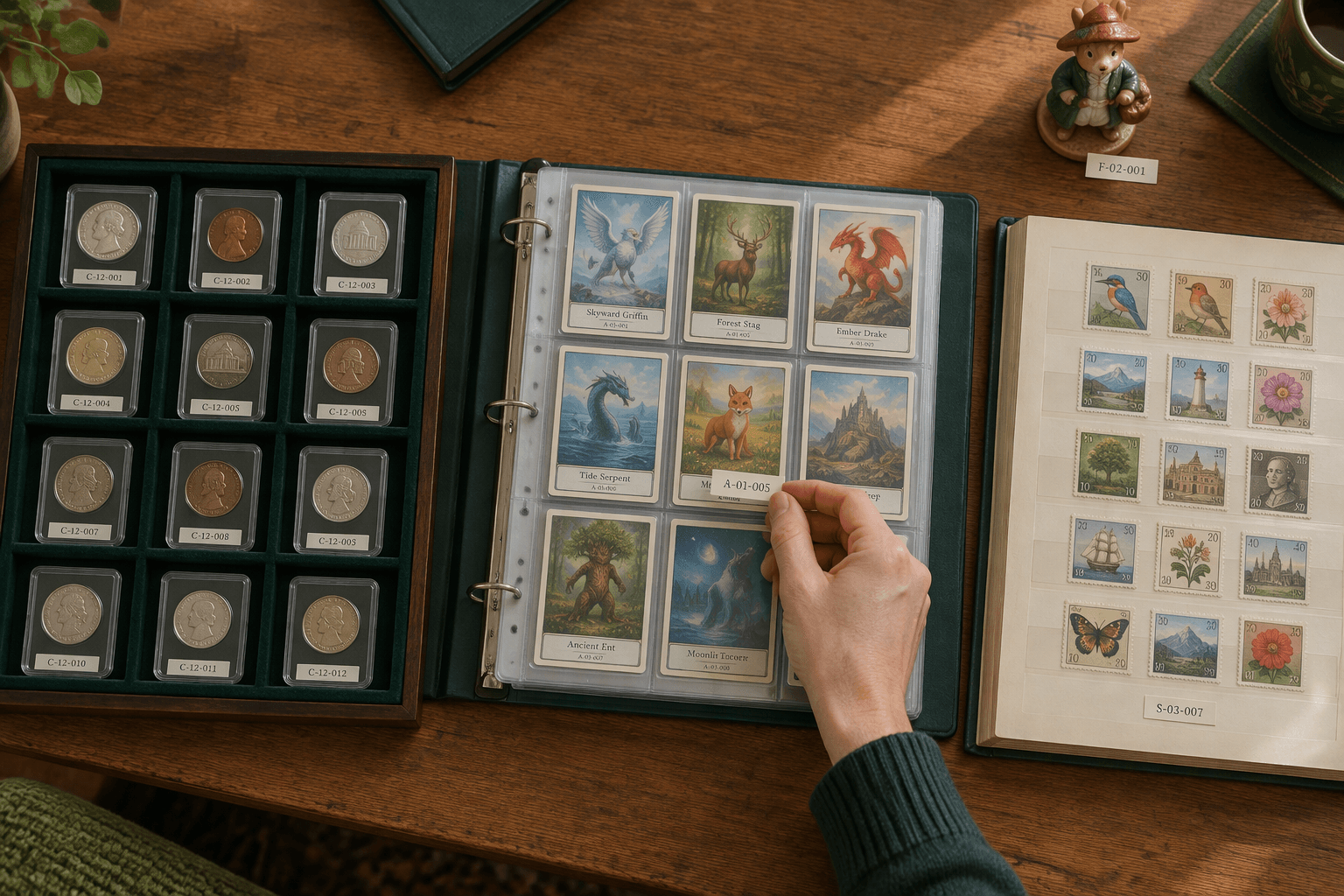
Best Apps for Organizing a Mixed Collection in 2026 Coins, Cards, Stamps, and Character Goods
Best Apps for Organizing a Mixed Collection in 2026 Coins, Cards, Stamps, and Character Goods — a practical Folidx collecting guide.
Open article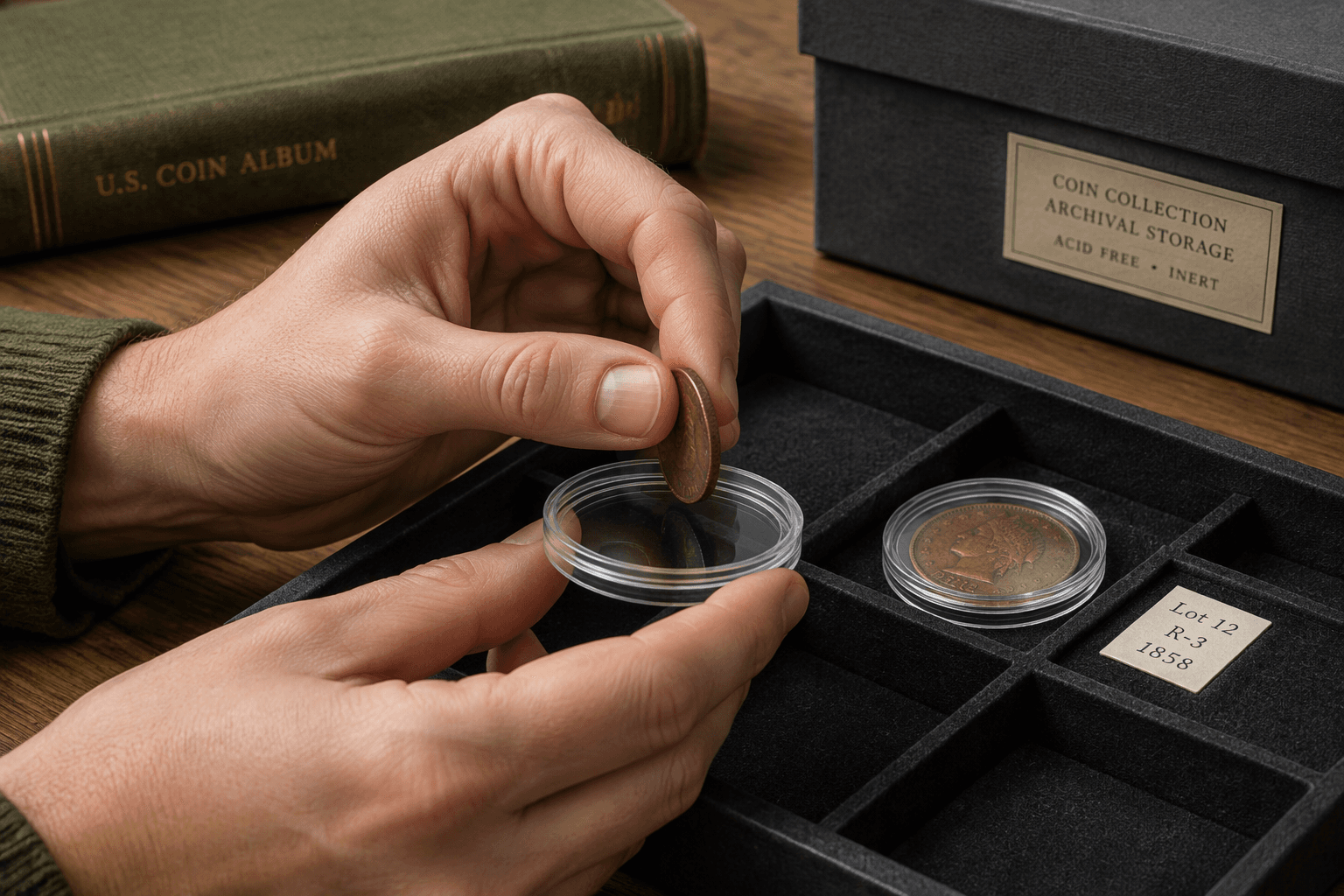
Coin Collection Storage: Protect, Label, and Find Every Coin
Safe coin storage protects each coin from handling and unstable materials, while a matching location record makes the collection easy to search.
Open article